
How to Buy Roofing Felt Online with Confidence

A failed felt roof rarely starts with the final layer. More often, the problem begins at the buying stage: the wrong felt grade, too little material ordered, or components that do not suit the roof build-up. When you buy roofing felt online, a few practical checks before checkout can prevent delays, wasted material and avoidable repair work.
For contractors, the priority is reliable specification and stock availability. For homeowners, it is confidence that the product will do the job and work with the rest of the system. The same approach helps both: understand the roof, choose materials designed to work together, and allow for the details around edges, joints and penetrations.
What to check before you buy roofing felt online
Roofing felt is not one universal product. It is available in different grades and formats for different roles within a roof covering. A product that is suitable as an underlay or temporary weather layer is not necessarily suitable as the finished waterproof surface of a flat roof.
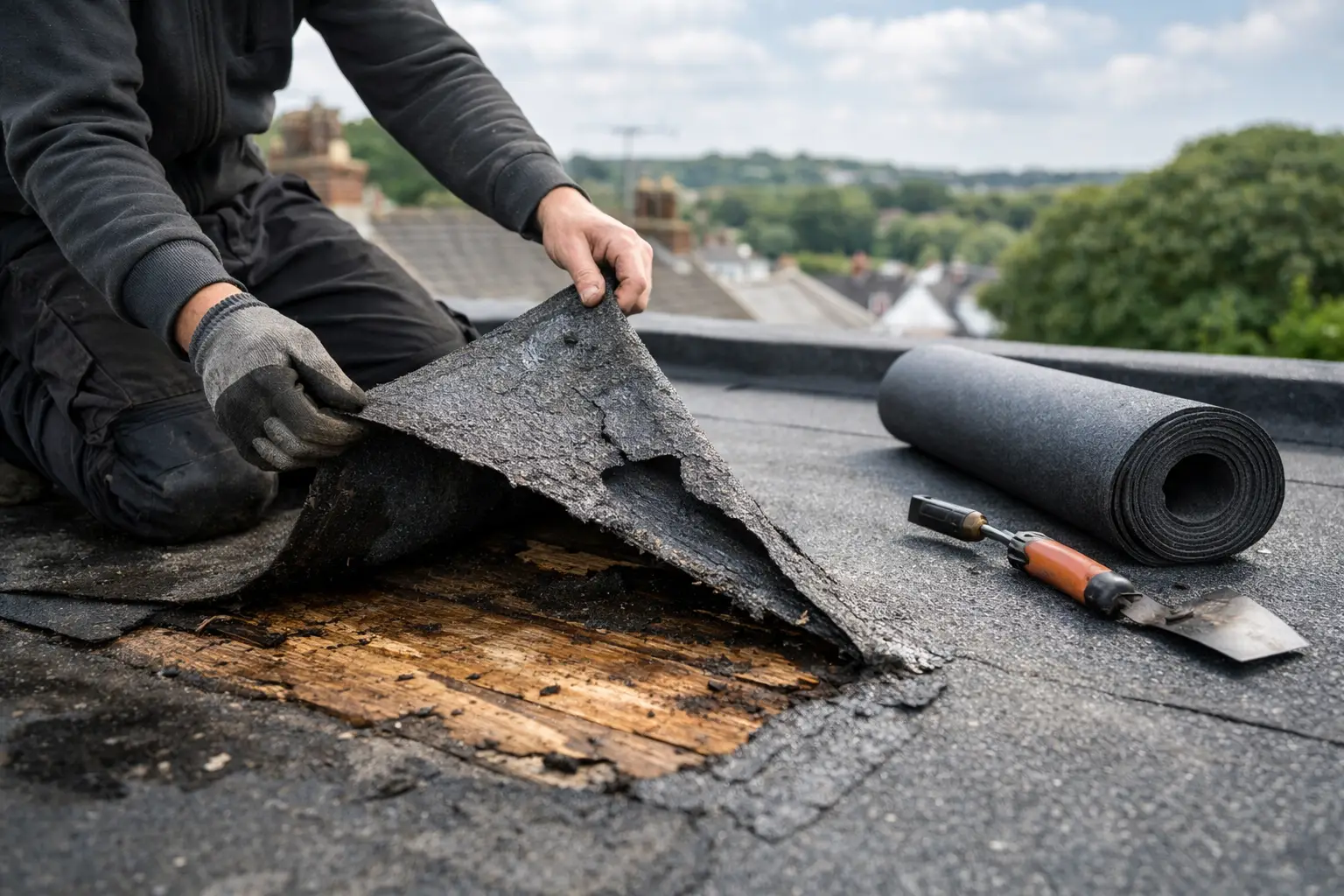
Start by identifying whether you are repairing a small section, replacing an existing covering, or installing a complete new roof system. A local repair may need a compatible patching material and a dependable seal at the overlap. A full replacement needs a considered build-up, including the deck condition, underlay where required, membrane layers, adhesives or bonding materials, and edge finishing.
Before placing an order, confirm these four points:
- the roof area, including sensible allowance for overlaps and trimming;
- the deck or existing surface the felt will be applied to;
- the installation method, such as torch-on, self-adhesive or cold-applied;
- the edge, outlet and flashing details that need to be finished correctly.
Do not rely on roof area alone. Rolls need to overlap, and upstands, corners and changes of direction all use extra material. Measuring the length and width is a useful starting point, but allow for waste and detail work rather than ordering to the exact square metre.
Choose the right felt for the job
The specification should lead the purchase, not the price per roll. Lower-cost materials can be appropriate for temporary protection or a limited repair, but a finished roof surface needs durability suited to the exposure, expected foot traffic and lifespan of the project.
Mineral felt and cap sheets
Mineral-finished felt is commonly used as a durable exposed top layer. The mineral surface helps protect the membrane from sunlight and weathering, while also providing a practical finished appearance. Colour can matter where the roof is visible from an upper window or neighbouring property, but performance and compatibility should always come first.
A cap sheet is generally part of a multi-layer built-up felt system. Check that the product is specified for use with the base layer and installation method you intend to use. Mixing products without checking can lead to poor adhesion or an unsuitable roof build-up.
Underlay and base layers
Underlay or base-layer felt provides part of the waterproofing system beneath the final cap sheet. It is not simply an optional extra. In a multi-layer system, each layer has a job to do, and omitting one can affect durability and manufacturer guidance.
If you are working over an existing roof covering, assess its condition honestly. Loose material, trapped moisture, significant blistering or an unstable substrate can make an overlay a poor choice. Removing failed material and preparing a sound base may take longer, but it gives the new system a better chance of performing as intended.
Torch-on, self-adhesive and cold-applied options
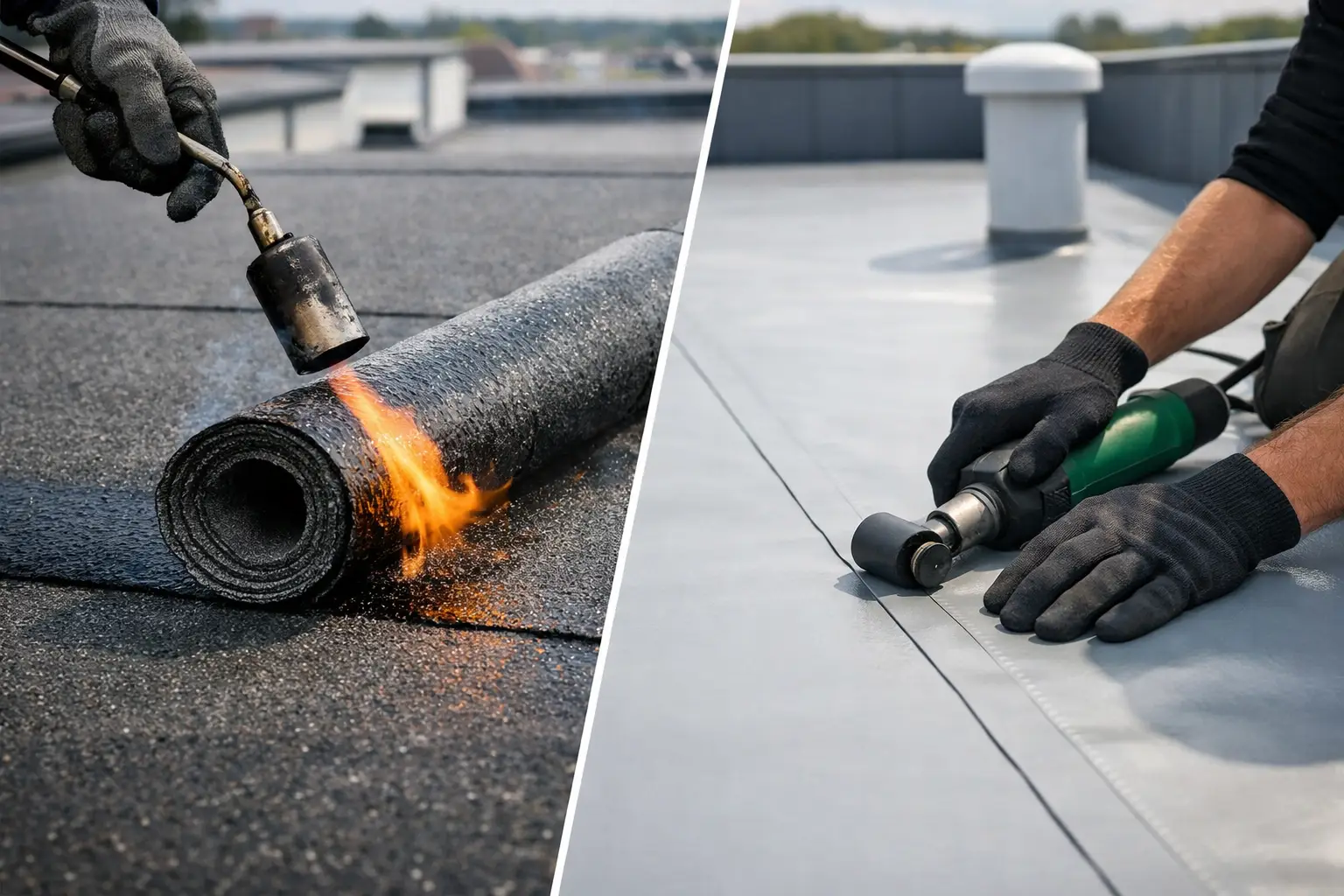
Torch-on felt forms a strong bonded finish when installed properly, but it requires suitable experience, safe working practice and careful control of heat. It is often best handled by trained installers, especially near timber structures, upstands and vulnerable details.
Self-adhesive products can be useful where open flame is unsuitable or where a simpler application method is preferred. They still need a clean, dry, properly prepared surface and correct pressure at laps. Cold-applied systems avoid flame and can be a practical option for certain repairs and installations, although curing time and weather conditions may affect progress.
The right choice depends on the roof design, the substrate, site conditions and installer experience. A faster application method is not automatically the best value if preparation requirements are overlooked.
Check compatibility beyond the roll
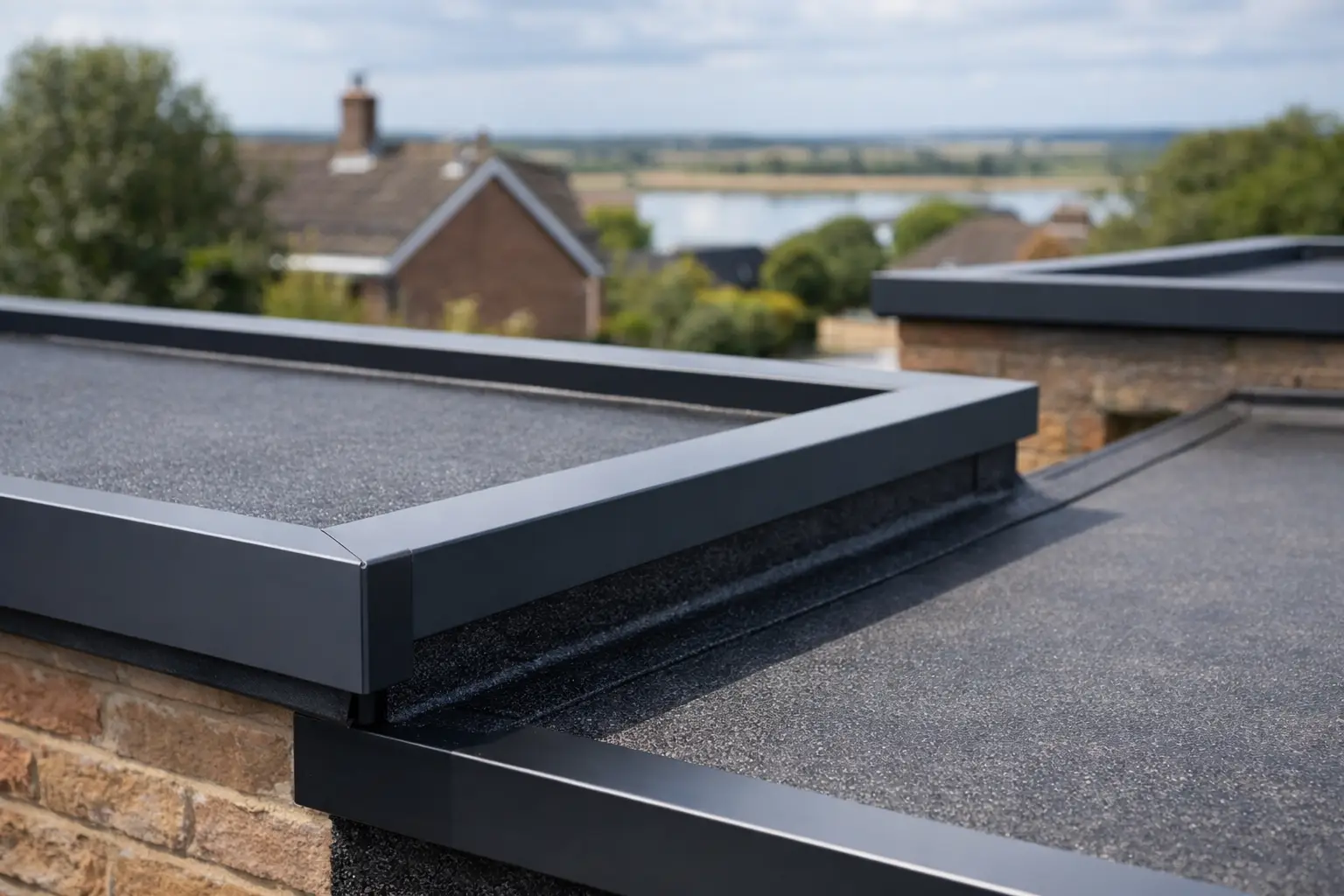
A dependable felt roof is finished at its weak points, not just across its largest area. Roof edges, internal corners, pipe penetrations, wall abutments and rainwater outlets deserve the same attention as the main field of the roof.
Order compatible accessories at the same time where possible. This may include primer, adhesive, fixing products, flashing materials, edge trims and outlets. Buying everything together makes it easier to check the roof build-up before work begins and reduces the chance of pausing halfway through a job for one missing item.
Flat roofing trims are particularly relevant at exposed edges. They help create a clean finish and support effective water run-off when selected and fitted correctly. Check the trim type against the roof edge construction, membrane thickness and whether you are finishing a drip edge, verge or gutter edge.
Be cautious about using a product simply because it looks similar to the existing material. Different systems can have different adhesive, heat and compatibility requirements. When the specification is unclear, it is better to ask for guidance before opening rolls or applying primer.
Measure coverage and order realistically
Product coverage figures are useful, but they should be read as installed coverage rather than the total area of material on the roll. Side laps and end laps reduce the effective coverage, and details use more material again.
For a straightforward rectangular roof, calculate the total area first, then review the roll width and length to work out a practical laying pattern. Planning the roll direction can reduce unnecessary joints and cut-offs. On a more complex roof, sketch the area and mark outlets, upstands and changes in level before ordering.
It is sensible to include a modest allowance for cuts, overlaps and unforeseen detail work. This is especially helpful when matching materials later may be difficult due to batch availability or weathered colour variation. However, excessive over-ordering adds cost and leaves bulky materials to store, so aim for a measured allowance rather than guesswork.
Delivery, handling and site preparation
Ordering online is most useful when the delivery plan matches the job schedule. Check expected delivery timing before arranging labour, access equipment or strip-out work. Roofing materials should arrive before the existing roof is exposed, not after.
Make sure there is a dry, secure place to store rolls before installation. Keep them protected from standing water and avoid damaging roll edges during handling. If materials have been stored in cold conditions, follow the product guidance on temperature and conditioning before use, particularly with self-adhesive products.
On site, preparation is where much of the quality is won. The roof deck or existing surface should be sound, clean and dry, with defects addressed before the new felt is laid. Primer should be allowed to dry where required, and work should be planned around suitable weather. Applying felt to a damp surface or rushing laps in poor conditions can compromise even good-quality materials.
When to ask for product guidance
Some jobs are straightforward: a clearly specified system on a simple, accessible roof. Others need a quick conversation before ordering. Seek advice if you are unsure about the existing roof build-up, have complicated edges or upstands, need to work around roof lights, or are deciding between application methods.
Quality Roofing Supplies Ltd supports trade and domestic buyers with practical product guidance, helping you select materials that suit the job rather than adding unnecessary complexity. Having the roof dimensions, substrate details and a few photographs available will make that conversation more useful.
The best order is the one that lets installation begin with the right materials on site, the correct accessories to hand and no last-minute compromises at the roof edge. Take a few minutes to check the system before checkout, and the work above it becomes far more straightforward.
Share This Article
Follow Us
Latest Articles
August 10, 2026
August 8, 2026
August 6, 2026
