Felt Roofing Versus Membrane Systems Compared

A flat roof rarely fails because one material sounds better on paper. It fails when the chosen system does not suit the deck, drainage, detailing or the standard of installation. That is why felt roofing versus membrane systems is a useful comparison for anyone planning a repair, replacement or new build. Both can provide reliable weather protection, but they work differently and ask different things of the installer.
For contractors, the decision often comes down to specification, programme and site conditions. For homeowners, it is usually a balance of upfront cost, expected service life and confidence that the roof will not become an ongoing maintenance issue. The right answer depends on the roof itself, not simply the material name.
What is the difference between felt roofing and membrane systems?
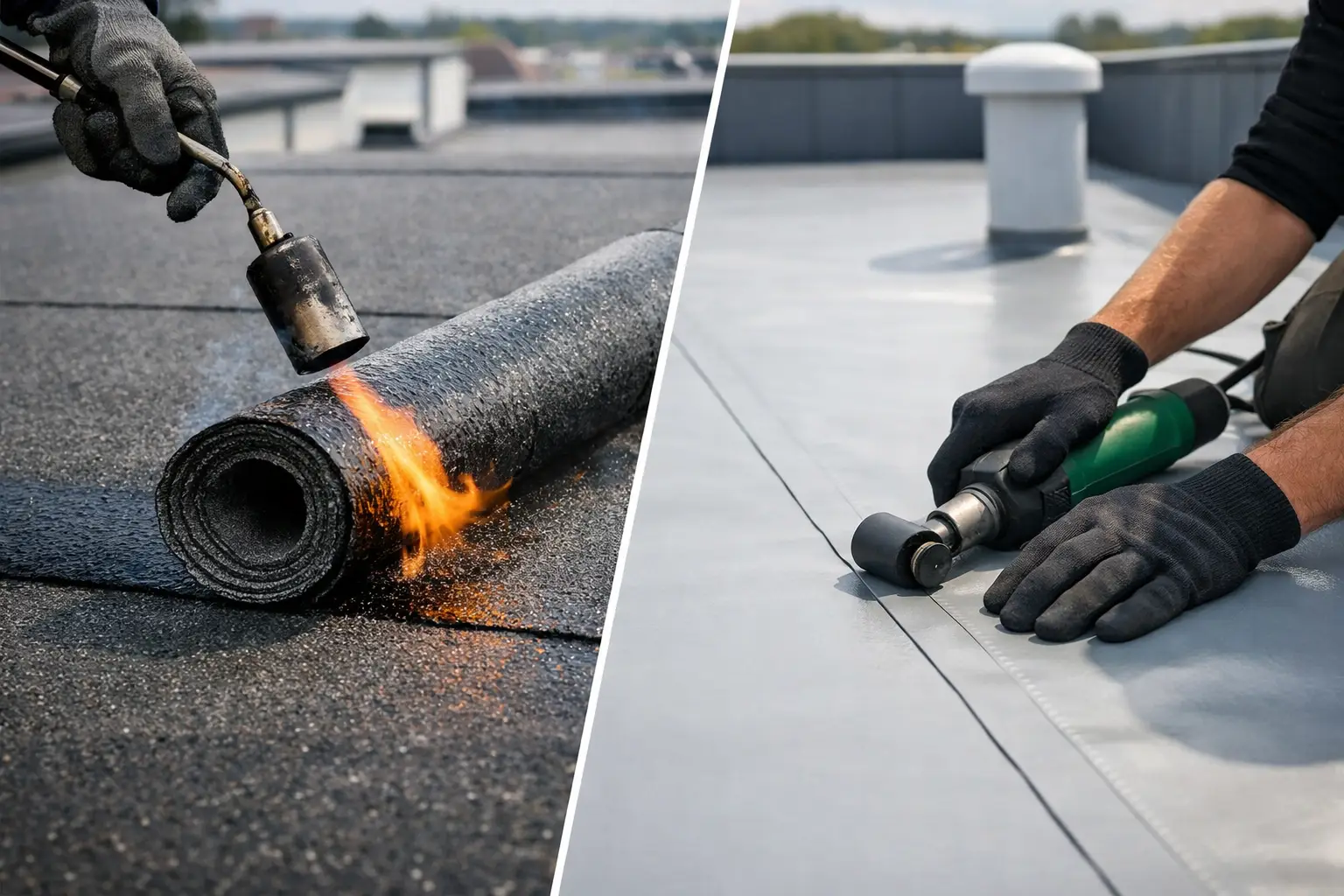
Traditional roofing felt is normally a bitumen-based product supplied in rolls. Modern felt systems are far removed from basic shed felt: they can include high-performance underlays, reinforced cap sheets and mineral-finished surfaces, designed to be applied in layers. Depending on the product, installation may involve torch-on application, cold adhesive or self-adhesive methods.
Membrane systems are a broader group. In flat roofing, the term commonly refers to single-ply membranes such as EPDM, PVC or TPO. These are flexible waterproof sheets, typically installed as a single main layer over a suitable deck or insulation build-up. Joints, perimeter edges, outlets and penetrations are sealed using compatible adhesives, tapes, welded seams or proprietary accessories.
The comparison is not entirely like-for-like. A built-up felt roof is a layered system, while a single-ply membrane relies on one continuous waterproofing layer with carefully finished joints and details. Both need the correct primers, trims, fixings and outlets to perform as intended.
Felt roofing versus membrane systems: performance in practice
Durability and weather resistance
A quality felt system can offer strong resistance to rain, standing water and foot traffic when correctly specified. The multiple layers provide useful redundancy: if the outer surface is damaged, the layers beneath may still provide protection while a repair is arranged. Mineral cap sheets also give a durable, finished surface suitable for many domestic flat roofs, garages, extensions and outbuildings.
Single-ply membranes are valued for flexibility. EPDM, for example, can cope well with normal movement in the roof structure and temperature changes. Larger sheets can reduce the number of field joints, which is particularly useful on straightforward roof areas. PVC and TPO systems may be selected where heat-welded seams, reflective finishes or particular commercial specifications are required.
Neither option is automatically maintenance-free. Debris should be cleared, outlets kept flowing and visible damage dealt with early. A roof that regularly holds deep water needs its falls and drainage considered, regardless of whether it is finished in felt or membrane.
Installation and site conditions
Felt roofing is often a sensible choice when an installer is working with a familiar layered specification and needs a finish that integrates well with conventional roof edges and details. Torch-on work must be carried out safely, with suitable fire precautions and an assessment of the substrate and surrounding construction. Cold-applied and self-adhesive systems can reduce the need for open-flame application, although preparation remains just as important.
Membranes can be quicker to install on a simple, accessible roof, especially where a large EPDM sheet can cover most of the area in one piece. However, “quick” should not be confused with casual. Adhesives need the right temperature and coverage, the deck must be clean and dry, and edges need secure mechanical restraint. Poorly bonded laps or badly finished corners can allow wind uplift or water ingress.
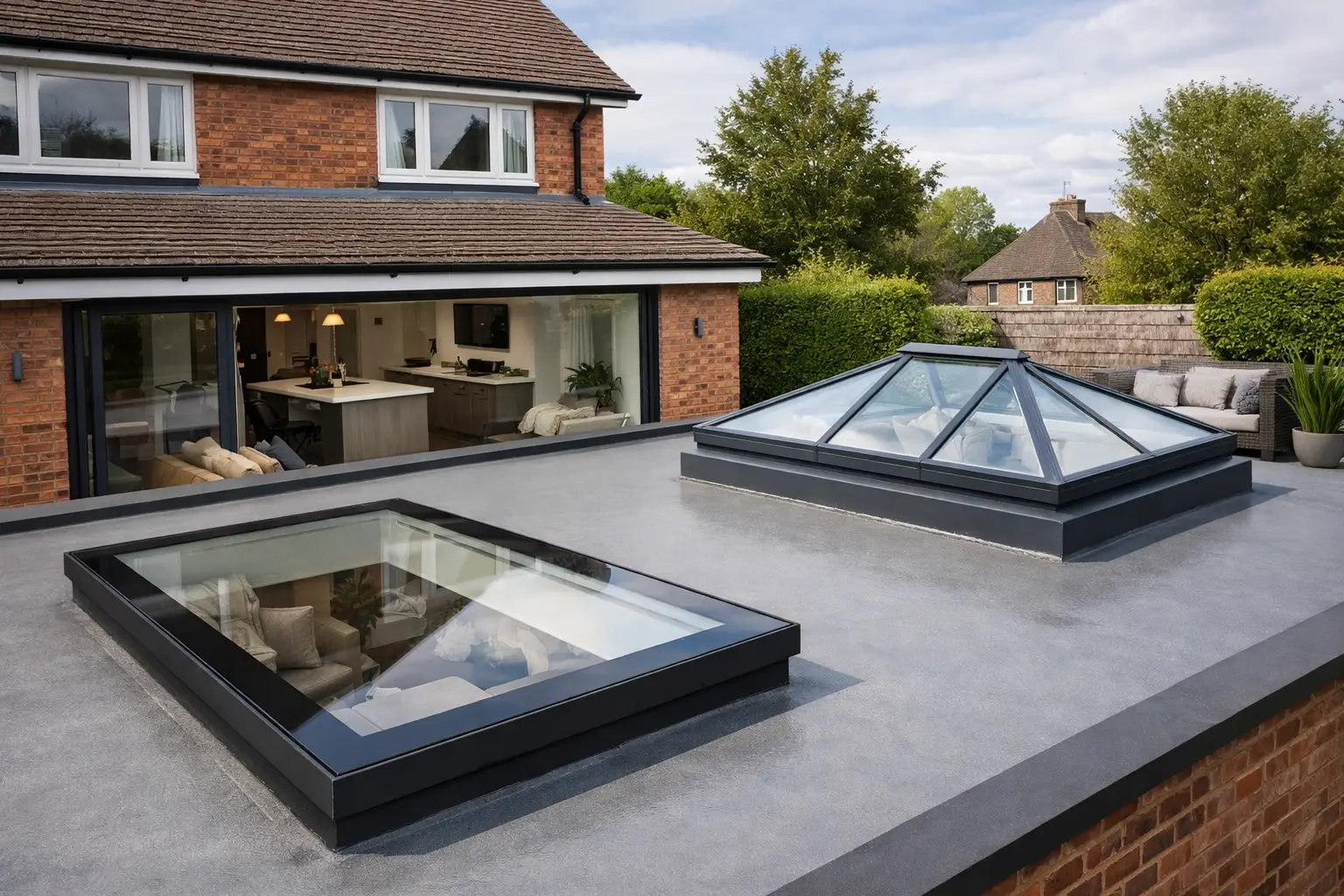
Complex roofs often narrow the gap between the two. Rooflights, pipes, changes in level, parapet walls and awkward upstands all require detailed work. In these areas, the availability of compatible flashing materials, corners, trims and sealants matters as much as the main waterproofing sheet.
Cost over the life of the roof
Initial material cost is only one part of the calculation. A basic felt repair may be the more economical option where the deck is sound, the affected area is localised and the existing construction is compatible. A full multi-layer felt replacement costs more, but may provide a dependable result where the roof needs a durable traditional build-up.
Membrane systems can be competitively priced, particularly on uncomplicated roof shapes. Their lower joint count can also reduce installation time in the right conditions. Yet the cost can rise where specialist adhesives, edge profiles, formed details or substrate preparation are needed.
The better value option is the one that avoids premature replacement. Consider the condition of the deck, whether insulation is being upgraded, the number of roof details and the level of access before choosing on price alone. Labour, safe access and disposal can outweigh a modest difference in roll or sheet price.
Choosing the right system for the roof
The roof deck should be assessed first. Timber-based decks, concrete and existing coverings each have different preparation requirements. Moisture trapped beneath a new waterproof layer can cause problems later, so a sound, dry and suitably firm base is essential.
Next, consider the roof’s use. A roof that will only be accessed occasionally has different demands from one that supports regular maintenance access for equipment. Felt cap sheets are generally more tolerant of routine foot traffic, though walkways may still be needed. Membranes can also be protected in traffic areas, but the product specification should be checked rather than assumed.
Drainage is another deciding factor. Flat roofs should have adequate falls towards properly sized outlets or gutters. No waterproofing system can compensate for blocked drainage or a roof that has been allowed to pond heavily for long periods. Check that outlet positions, leaf guards and edge trims work together before installation starts.
Finally, look at the complete system rather than buying the covering in isolation. A dependable finish may require underlay, vapour control layers, insulation boards, adhesives, primer, termination bars, drip trims, kerb details and compatible sealants. Mixing products without checking compatibility can create avoidable failures at the very points where water is most likely to find a route in.
When felt is often the practical choice
Felt can be a strong option for repairs and renewals where a layered bitumen system is already present, provided the roof build-up has been properly assessed. It is also well suited to projects where a tough mineral finish is preferred and where the installer is specifying a complete multi-layer system.
For smaller roofs with several tricky details, felt can be easier to dress into place than a large sheet membrane. That does not make it the default choice. Torch-applied products need competent installation and careful safety management, while cold-applied systems still rely on dry, well-prepared surfaces and correct adhesive coverage.
When a membrane system may suit better
A membrane is often attractive on clean, straightforward roof areas where fewer seams are beneficial. EPDM is widely chosen for domestic projects because it is flexible and available in large sheets. It can be especially practical where open-flame work is unsuitable or undesirable.
Membrane systems also make sense when the chosen product has a proven detailing range for the roof’s edges, outlets and penetrations. The main sheet may look simple, but long-term performance depends on those components being installed to the manufacturer’s method. A low-cost sheet without matching accessories is rarely a good saving.
Do not overlook edge details
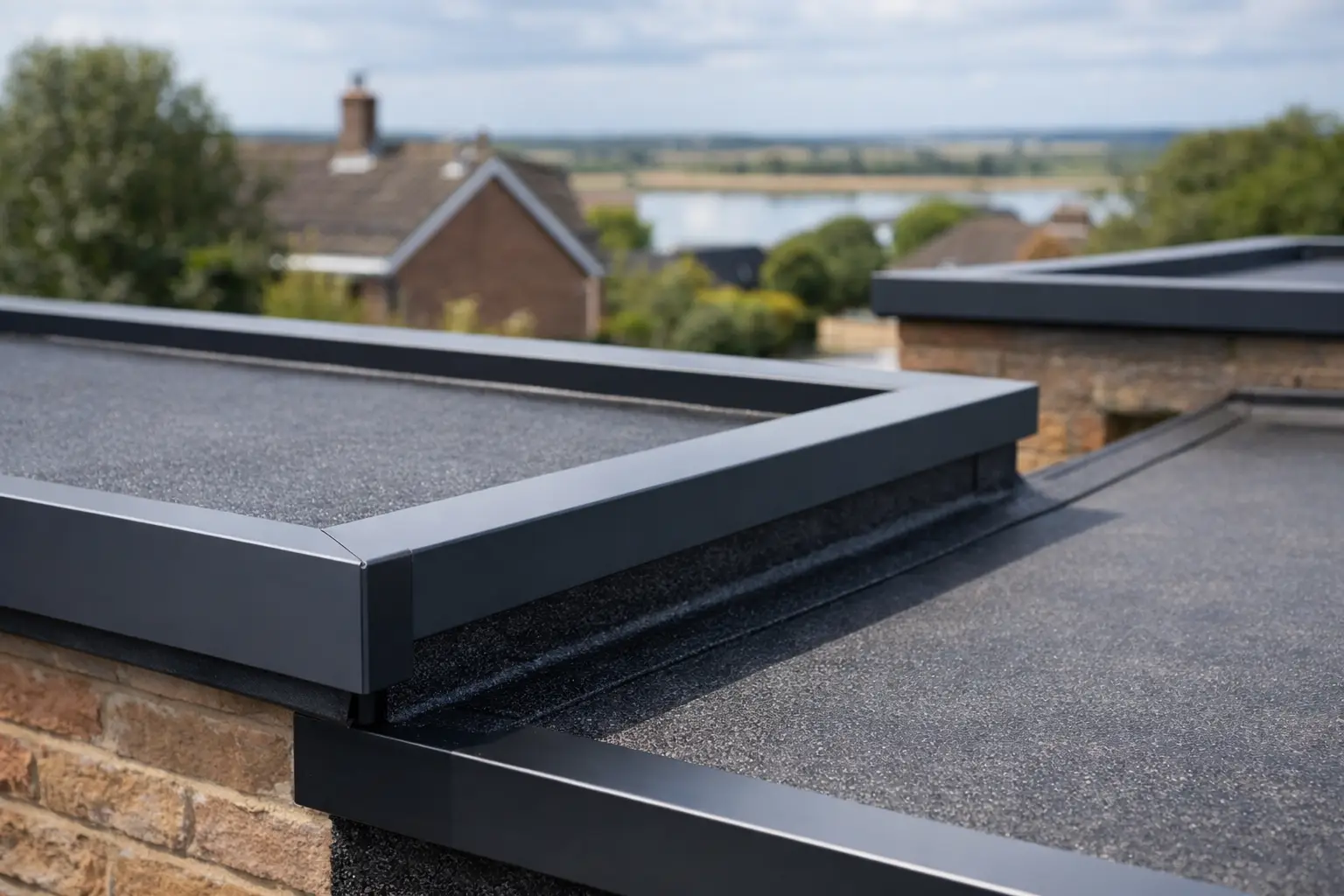
Waterproofing commonly fails first at perimeters, corners and transitions rather than in the middle of the roof. Edge trims should direct water into the guttering, restrain the roof covering and give a clean finish. Upstands need sufficient height, and laps should be arranged so water sheds naturally rather than being driven towards an exposed edge.
This is where trade-quality components earn their place. Selecting compatible flat roofing trims and accessories at the same time as the main covering helps prevent last-minute substitutions on site. It also makes it easier to plan quantities accurately and avoid delays once installation is under way.
A practical buying checklist
Before ordering, measure the roof area but also record the perimeter length, upstand heights, outlet sizes and every penetration through the roof. Allow for overlaps, turn-ups and waste, particularly on roofs with multiple corners. Confirm the deck type and whether existing materials are being removed or overlaid.
If you are unsure which build-up suits the job, share those details with a specialist supplier before purchasing. Quality Roofing Supplies Ltd can help customers identify the materials and accessories needed for a straightforward, compatible order.
A good flat roof starts with a system that fits the job, followed by careful preparation and accurate detailing. Choose felt when its layered durability and repairability suit the roof. Choose a membrane when its flexibility and reduced seam count fit the layout. In either case, give the edges, outlets and joints the same attention as the main roof area – that is where a dependable finish is made.
Share This Article
Follow Us
Latest Articles
August 8, 2026
August 6, 2026
August 4, 2026
