
Garage Roof Felt Replacement Explained

A garage roof rarely fails all at once. More often, it starts with a split near the edge, a blister that keeps growing, or damp patches showing up after heavy rain. If you are dealing with leaks, ageing felt or repeated patch repairs, garage roof felt replacement is usually the more reliable option than trying to stretch a worn covering through another winter.
For both trade installers and homeowners, the key is knowing when a repair is still sensible and when full replacement will save time, labour and repeat call-backs. Felt remains a practical choice for many garage roofs because it is cost-effective, familiar to fit, and available in systems suited to everything from a basic domestic outbuilding to a harder-working site garage or workshop.
When garage roof felt replacement makes sense
A small, localised split on an otherwise sound roof can often be repaired. The problem is that many garage roofs are already at the stage where the visible damage is only part of the story. If the felt is brittle, lifting at the laps, or breaking down around the perimeter, patching one section often leaves the rest of the roof waiting to fail.
Age is one factor, but condition matters more. A garage roof exposed to standing water, strong sun or regular movement in the deck may deteriorate faster than expected. If leaks keep returning, if the surface has multiple cracks, or if the substrate beneath feels soft in places, replacement is generally the better use of money.
This is also where trade-quality materials make a difference. A cheaper roll may seem to reduce upfront cost, but if it tears easily during fitting or degrades too quickly, the roof ends up costing more over time.
Common signs the felt has reached the end of its life
The most obvious sign is water ingress, but it is not the only one. In many cases, you will spot problems before water gets inside. Look for splitting on the surface, exposed reinforcement, blistering, open laps, sagging areas and edges that no longer sit tight against trims or timber.
Inside the garage, staining, mould, drips and a musty smell can all point to roof failure. If the deck or supporting timbers have been wet for a while, that needs attention as well. Replacing the felt without checking the condition underneath can mean trapping problems in the structure.
Repair or replace?
It depends on how widespread the damage is. One clean split caused by impact is different from a roof that has become fragile across its full area. If more than one section has failed, or if previous repairs are already lifting, garage roof felt replacement is usually the more dependable route.
For installers, there is also the question of call-back risk. A full replacement gives you control over the whole waterproofing layer, the edge detailing and the condition of the deck. A patch repair on a tired roof does not.
Choosing the right felt system
Not all roofing felt performs the same way. The right choice depends on the size of the garage, expected lifespan, budget and whether the roof is a straightforward domestic job or a more demanding installation.
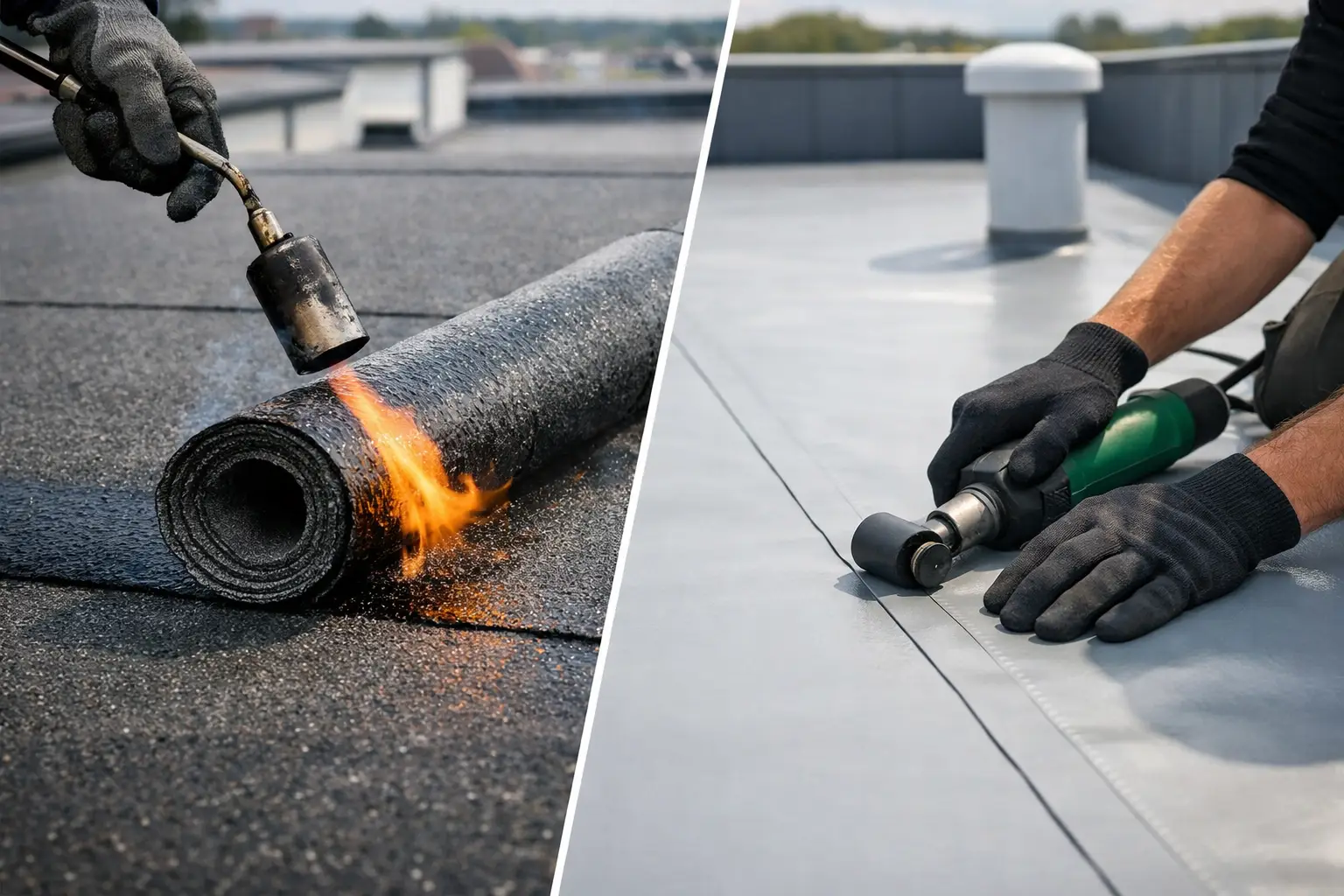
Traditional bitumen felt remains widely used, especially for standard garages and sheds. It can be a sensible option where cost matters and the roof structure is uncomplicated. More advanced felt systems, including torch-on options with stronger reinforcement, usually offer better durability and a longer service life when fitted correctly.
For many buyers, the decision comes down to balancing price against performance. A basic grade may suit a temporary or low-use structure, but for a main garage, workshop or property improvement project, stepping up to a more durable felt is often worthwhile.
Underlay, cap sheets and compatible accessories
A proper system matters more than a single product. The felt covering should be matched with the correct underlay, adhesive or torch-on method, and suitable edge trims where required. If the roof has poor detailing at the edges, outlets or abutments, even a good quality felt can underperform.
This is one reason buyers often prefer specialist suppliers over general merchants. Getting compatible materials in one order saves guesswork and reduces delays on site.
What affects the cost of garage roof felt replacement?
Roof size is the starting point, but it is not the full picture. The condition of the deck, the number of edges and upstands, the type of felt system, and whether old materials need stripping all affect the final cost.
A simple, single garage roof in sound condition is relatively straightforward. If the existing felt peels away cleanly and the deck underneath is dry and stable, labour stays more predictable. Costs rise where the roof has rotten decking, awkward details, heavy build-up from older coverings, or limited access.
Material quality also changes the calculation. Lower-cost products can reduce the initial spend, but they may not offer the same lifespan or installation confidence. For homeowners, that can mean paying for the same job twice. For trade customers, it can affect reputation as much as margin.
The replacement process in practice
Most garage roof felt replacement jobs begin by removing the old covering and checking the deck. This stage matters. If the timber substrate is damp, delaminated or soft, it should be repaired or replaced before new felt is installed. A new waterproof layer is only as good as the base beneath it.
Once the deck is sound, the new system is built up in layers according to the chosen specification. That may include preparation of the surface, fitting underlay, applying the cap sheet, and finishing edges and junctions carefully. The perimeter is often where failures begin, so neat detailing is not just about appearance.
Weather conditions also matter. Dry conditions are best, and rushing a roof in poor weather usually leads to trouble later. If moisture gets trapped during installation, it can affect adhesion and create blistering.
DIY or professional fitting?
Some homeowners will consider taking this on themselves, especially on a small detached garage. That can work where the roof is accessible, the structure is simple and the installer is confident with the materials being used. Even then, care is needed around laps, edges and safety.
For larger roofs, torch-on systems, or any job where the deck needs repair, professional fitting is often the safer choice. A poorly installed felt roof can fail long before the materials should. The saving on labour disappears quickly if the roof leaks again.
Why edge trims and finishing details matter
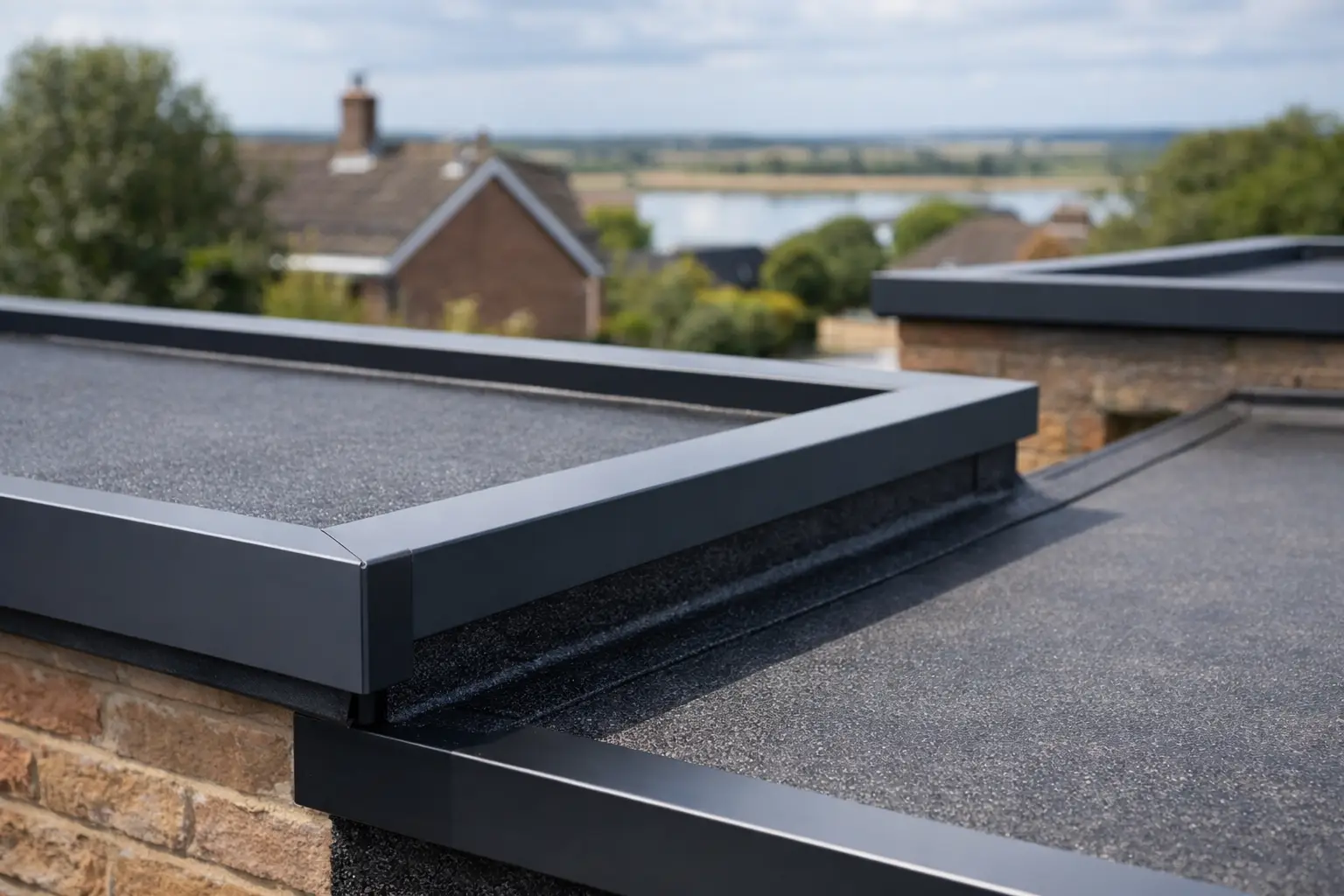
A garage roof does not fail only in the middle. Water usually finds its way in at the edges, corners and joints first. That is why trims, drip details and secure terminations matter as much as the felt itself.
A proper finish helps direct water off the roof, protects exposed edges and gives the covering a cleaner, tighter fit. On a practical level, it also improves wind resistance. Felt that is not well secured at the perimeter is far more likely to lift, especially on exposed sites.
This is often overlooked by buyers trying to compare material prices alone. The roof system is what counts, not just the roll of felt.
Buying the right materials without overcomplicating the job
Most customers want the same thing: materials that do the job properly and arrive when needed. For trade buyers, that means dependable stock, clear product information and no wasted time sorting out missing components. For homeowners, it means confidence that they are ordering the right products for a straightforward garage roof project.
That is where a specialist supplier such as Quality Roofing Supplies Ltd can make the process easier. When products are grouped around real installation needs rather than vague categories, it becomes much simpler to choose felt, trims and accessories that work together.
There is still no one-size-fits-all answer. A small domestic garage with light use has different demands from a larger outbuilding storing tools, machinery or stock. But in both cases, buying for durability rather than short-term convenience usually pays off.
Avoiding the most common replacement mistakes
The biggest mistake is covering over a roof that should have been stripped back. If the deck is unsound or the old felt is badly failed, laying new material on top rarely solves the problem for long.
The next issue is poor compatibility. Mixing products without checking suitability can lead to adhesion problems or weak detailing. Finally, there is simple under-specifying – choosing the cheapest felt on the shelf for a roof that needs something tougher.
A garage may not be the largest roof on a property, but it still protects valuable space below. Whether that space holds a car, tools, bikes or workshop equipment, the cost of water damage soon overtakes the cost of doing the roof properly.
If your garage roof is showing its age, replacement is not just about stopping the next leak. It is a chance to fit a system that will hold up better, look cleaner and need less attention over the years ahead.
Share This Article
Follow Us
Latest Articles
August 8, 2026
August 6, 2026
August 4, 2026
