How to Choose a Roof Light

A roof light can transform a room, but choosing the wrong one can create just as many problems as it solves. Too small, and you do not get the daylight you expected. Too large, and you can affect privacy, heat gain and cost. If you are working out how to choose a roof light, the right starting point is not the product finish or frame colour – it is the roof, the room and the performance you need from it.
For trade installers, that means looking at build-up, compatibility and long-term weathering. For homeowners, it usually comes down to light, ventilation, appearance and staying within budget. In both cases, the best choice is the one that suits the roof structure and the way the space will actually be used.
How to choose a roof light for the job
The first question is simple: what is the roof light meant to do? Some projects are mainly about bringing natural light into a dark flat roof extension, kitchen or hallway. Others need extra ventilation, roof access or a cleaner external finish to suit a modern build. If the brief is not clear at the start, it is easy to buy on appearance alone and miss the practical details that matter on site.
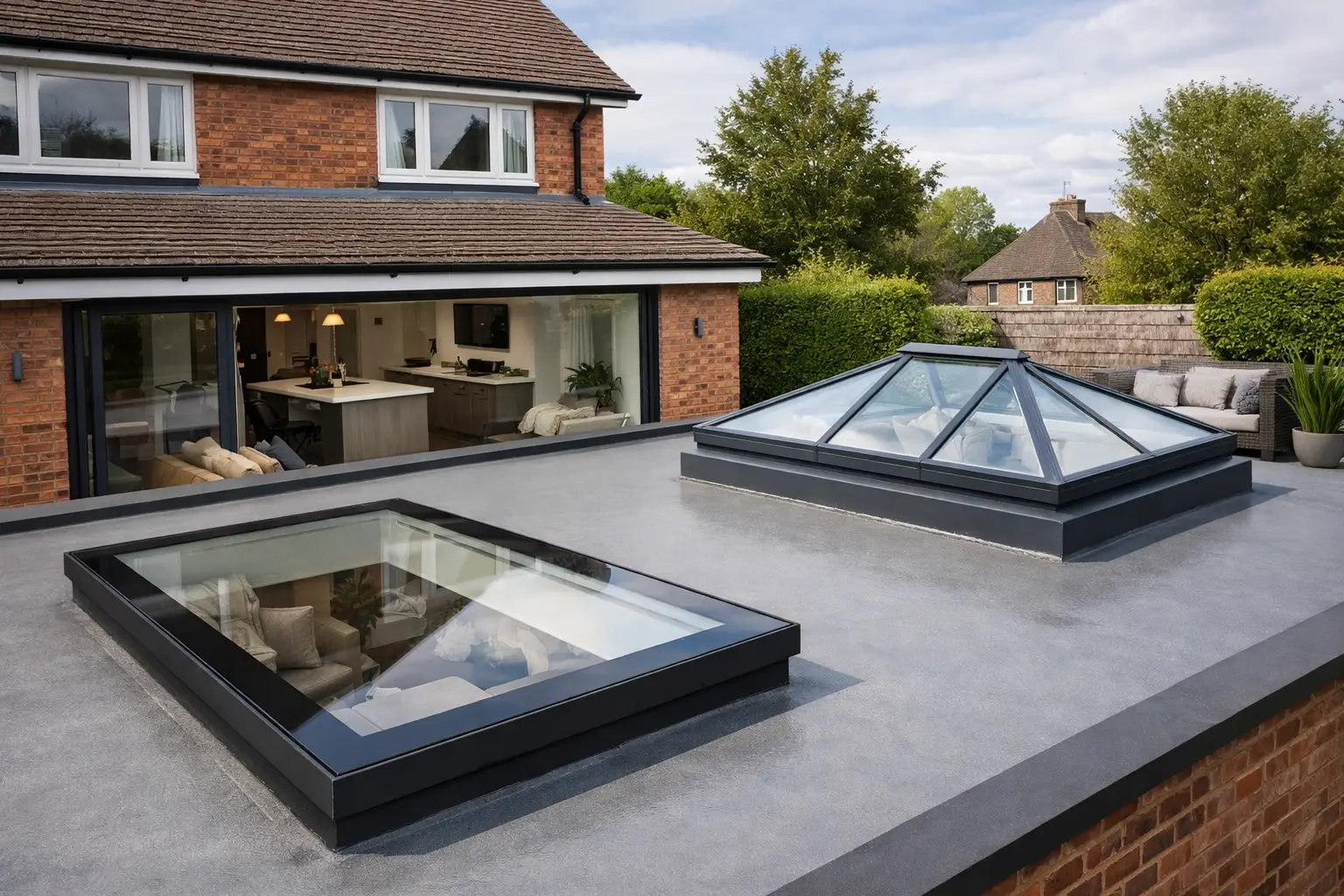
A fixed roof light is often the most straightforward option where daylight is the main priority. It is simple, clean-looking and generally more cost-effective than an opening unit. If the room also needs airflow, especially in kitchens, bathrooms or warm top-floor spaces, an opening roof light may be the better fit. That adds convenience, but it also adds moving parts, a higher price and a little more to think about during installation.
It is also worth considering whether the roof light is being fitted into a new roof or a refurbishment. New build work usually allows more freedom on size and placement. Replacement or retrofit work can be more restricted, especially where existing upstands, roof coverings or structural openings are already in place.
Start with roof type and construction
Most buying mistakes happen when the roof light is chosen before the roof details are confirmed. On a flat roof, the opening size, kerb or upstand requirements, insulation build-up and waterproofing system all need to work together. A good-looking unit is no use if it does not suit the roof covering or creates avoidable installation complications.
For flat roofs, check whether the roof light is designed to sit on an existing builder’s upstand or whether it comes with its own kerb. That affects both labour and compatibility. Installers will also want to confirm minimum pitch requirements. Many flat roof lights are fitted on roofs that are not completely flat in practice, but there still needs to be enough fall for drainage.
Think about the roofing system as well. Whether the project uses felt, single-ply or another flat roofing finish, the roof light detail needs to tie in properly with the waterproofing. This is one area where buying the cheapest option can cost more later if it makes the installation awkward or leaves weak points around the perimeter.
Size matters, but so does proportion
A bigger roof light does not always mean a better result. Large glazed areas can flood a room with daylight, which works well in open-plan extensions and contemporary builds. But go too large and you may introduce excessive solar gain in summer, reduce wall space below, or create a look that feels out of proportion with the room.
As a practical guide, the right size depends on the room dimensions, ceiling height and how much natural light the space already receives. A small roof light can make a big difference in a compact kitchen or landing. In a larger extension, one oversized unit may work, or two smaller units may spread light more evenly across the room.
Placement matters just as much as size. A centrally positioned roof light often gives a balanced effect, while offset placement can help bring light to a darker part of the room. In kitchens, position should also take account of ceiling layouts, electrics and extract systems. For trade buyers, this is where early coordination with the builder or client saves time later.
Choose the right glazing performance
Glazing is one of the biggest factors in both comfort and cost. If the roof light is going into a heated living space, thermal performance matters. Better insulation can help reduce heat loss in colder months and improve overall comfort, particularly in extensions used every day.
Double glazed units are common and suitable for many domestic applications. Triple glazing may be worth considering where thermal performance is a higher priority, although it comes with extra weight and cost. There is a balance to strike here. Not every project needs the top specification, but low-performing glazing in a main living area is often a false economy.
Solar control can also be relevant, especially on south-facing roofs or rooms that already get a lot of sun. Too much direct sunlight can make the space uncomfortable at certain times of year. Tinted or solar-control glazing may help, but it can also slightly reduce the brightness of the room. Again, it depends on the orientation and how the room is used.
Privacy glass may suit bathrooms or overlooked properties. It lets in daylight without making the space feel exposed, though it changes the visual quality of the glazing compared with a clear unit.
Fixed or opening roof light?
This choice comes down to function. Fixed roof lights are often the default option for extensions, garden rooms and living spaces where daylight is the main goal. They tend to be simpler to install, more economical and easier to maintain.
Opening roof lights are useful where natural ventilation is part of the brief. Warm air rises, so opening the roof light can help purge heat from upper-floor rooms or stuffy extensions. Manual opening may be enough for some domestic projects. Electric opening suits higher ceilings or where regular use is expected.
There is a clear trade-off here. Opening units offer more flexibility, but they introduce motors, controls, hinges or winding mechanisms, depending on the type selected. That means a higher upfront price and more components to consider over the long term. If ventilation is only needed occasionally and there are already windows in the room, a fixed unit may still be the more sensible buy.
Frame, finish and kerb details
Appearance matters, particularly on visible flat roof extensions, but it should follow performance rather than replace it. A slimline internal view can look excellent from inside the room, while an external finish that sits neatly on the roof can improve the overall result.
Powder-coated aluminium is a popular choice because it is durable, low-maintenance and suits modern designs. The important part is not just the finish itself, but how the full unit is made and how it performs in exposed weather conditions. Trade buyers will usually prioritise build quality, while homeowners may focus more on the visual side. Both matter.
Kerb height and design are also worth checking carefully. On flat roofs, the upstand detail plays a big role in shedding water and protecting the roof opening. If the kerb arrangement is wrong for the roof build-up, installation becomes harder and performance can suffer.
Do not overlook compliance and safety
On some projects, roof light choice is affected by Building Regulations, fire performance, glazing safety requirements or planning considerations. This is especially relevant on extensions close to boundaries, multi-occupancy buildings or commercial work. Domestic buyers may not always think about this at the start, but installers and specifiers should.
Laminated inner panes, toughened safety glass and other specification details may be required depending on where the unit is fitted. If the roof light is accessible for cleaning or maintenance, or positioned in a location where impact risk is higher, that can also influence the glazing specification.
Where there is any doubt, it makes sense to check the technical details before ordering rather than trying to make a standard product fit a non-standard requirement.
Budget: where to spend and where not to cut back
Most customers are balancing cost against performance. That is sensible. A roof light should not be more complicated or more expensive than the project requires. At the same time, this is not the place to cut corners on core quality.
The best value usually comes from choosing the right specification first time. A well-made roof light with suitable glazing, proper compatibility and reliable weather performance is less likely to create issues later. Saving a small amount on an under-specified product can quickly be cancelled out by fitting difficulties, callbacks or disappointment once the room is finished.
For both domestic and trade buyers, the practical approach is to set the budget around what the roof light needs to do. Once that is clear, compare units on construction, glazing, kerb arrangement and installation suitability – not just headline price.
A final check before you order
Before placing the order, confirm the structural opening size, overall external dimensions, glazing specification, upstand or kerb requirements, ventilation needs and roof covering compatibility. It sounds basic, but this is where many delays start. Good product choice is usually about getting the details right early rather than solving problems late.
If you are unsure how to choose a roof light for a particular flat roof project, a specialist supplier can help narrow it down quickly. Quality Roofing Supplies Ltd works with both trade customers and homeowners who need straightforward advice, trade-quality products and a roof light that suits the job rather than complicates it. A little care at the selection stage usually pays off every day once the room is in use.
Share This Article
Follow Us
Latest Articles
August 8, 2026
August 6, 2026
August 4, 2026
