Torch On Felt Review for UK Flat Roof Projects

A roof covering can look sound from ground level while its waterproofing is already nearing the end of its useful life. That is why a proper torch on felt review should look beyond surface appearance and consider the full build-up, the substrate, drainage and installation quality. For many UK flat roof projects, torch-on felt remains a dependable trade-standard option when it is specified and fitted correctly.
Torch-on felt is not a one-size-fits-all answer. It is particularly well suited to garages, extensions, porches, outbuildings and larger commercial-style flat roof areas, but the right result depends on the roof structure and the competence of the installer. The material itself is proven. Problems usually begin with poor preparation, unsuitable detailing or shortcuts around joints and edges.
Torch on felt review: what you are getting
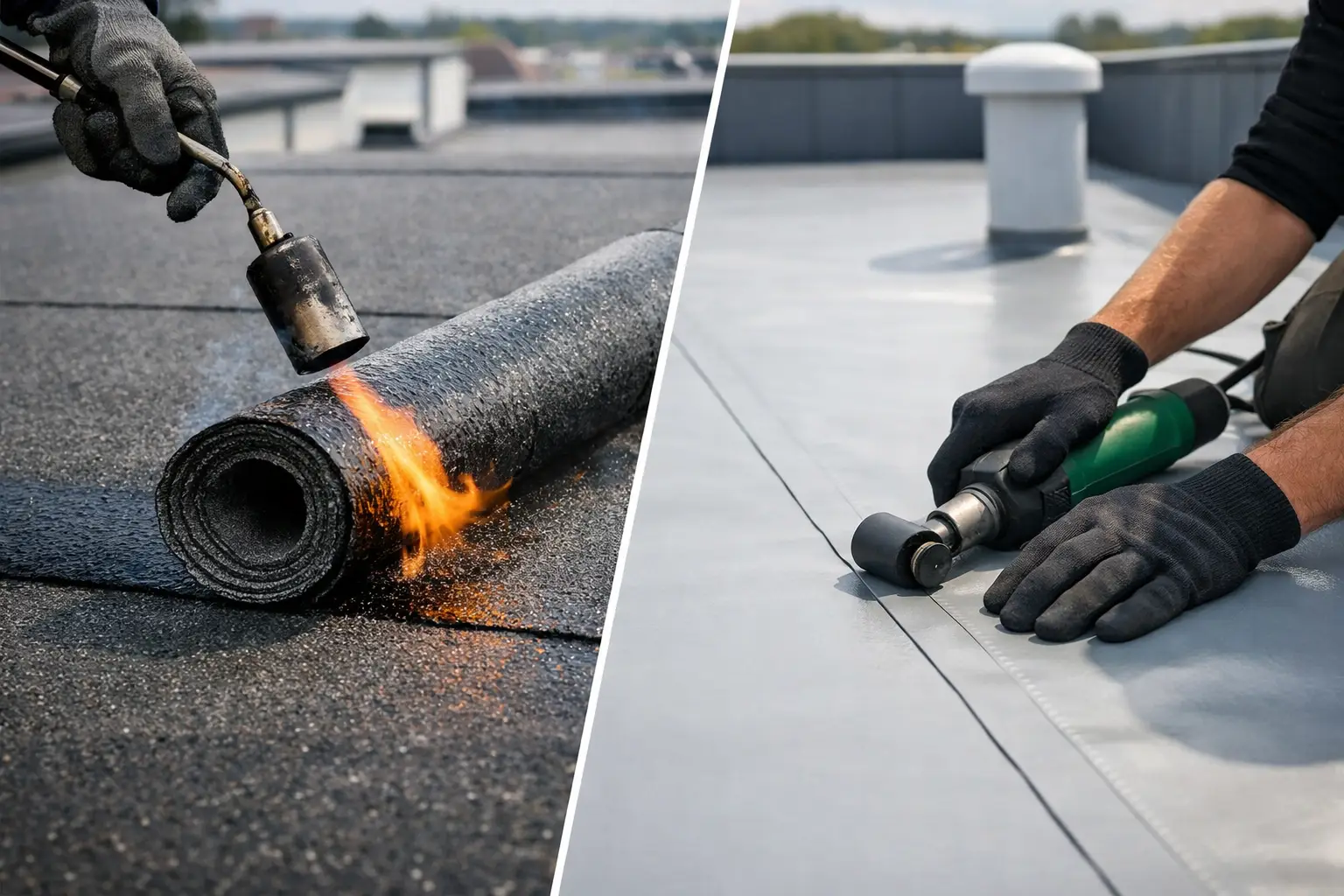
Torch-on felt, often called torch-applied bituminous membrane, is a roofing system installed using controlled heat from a gas torch. The heat activates the bitumen on the underside of the membrane, bonding it firmly to the prepared surface or underlying layer. Once installed, the layers form a continuous waterproof covering with strong resistance to standing water, rain and normal UK weather exposure.
A quality system commonly uses more than one layer. Depending on the specification, this may include a vapour control layer, insulation, an underlay and a mineral-finished cap sheet. The mineral surface protects the finished layer from ultraviolet exposure and day-to-day weathering. It also gives the roof its familiar textured finish.
This layered approach is one of torch-on felt’s main strengths. Rather than relying on a single sheet alone, the system can provide a durable, repairable covering with reinforced overlaps and carefully formed details at upstands, outlets and roof edges. It is a practical choice where longevity and dependable weather protection matter more than the quickest possible installation.
Performance in real installation conditions
When fitted over a sound, dry and correctly prepared deck, torch-on felt offers very good waterproofing performance. The material is flexible enough to accommodate minor movement in the roof structure, while the bonded laps reduce the risk of wind getting beneath the membrane. This makes it a strong option for exposed sites, provided edge trims and perimeter details are secure.
Its performance is especially dependent on drainage. No roof covering benefits from persistent ponding, even where the membrane is designed to withstand occasional standing water. Before choosing a system, check that the roof has an adequate fall towards outlets or gutters and that existing drainage points are clear. A new covering cannot resolve structural sagging or badly positioned outlets on its own.
Torch-on felt also performs well when maintenance access is required. A well-specified cap sheet is tough, and local damage can often be repaired without replacing the whole roof. That is valuable on roofs beneath overhanging trees, roofs with regular access requirements, or older properties where minor repairs may be needed over time.
The trade-off is that quality is less forgiving of poor workmanship than some buyers expect. Underheated laps may not bond fully. Overheating can damage the membrane or create uneven finishes. Corners, pipe penetrations and wall upstands need experienced detailing. A roof can use good materials and still fail early if these areas are not handled properly.
Installation: why preparation matters most
The visible cap sheet is only the final part of the job. The deck beneath it must be structurally sound, dry and clean. Loose debris, trapped moisture, failed old coverings and damaged boards need attention before any membrane is applied. Where the system requires a primer, it must be allowed to dry fully before work begins.
The correct build-up depends on whether the roof is warm, cold or being refurbished over an existing surface. Insulation position, ventilation requirements and vapour control all affect the specification. This is where a simple product-only decision can become costly. Selecting felt without checking the whole roof build-up risks condensation, poor adhesion or insufficient thermal performance.
Fire safety is another serious consideration. Torch application involves an open flame, so the work should be carried out by a competent professional using appropriate precautions. Combustible decks, timber details, door frames, cables and neighbouring surfaces all need careful assessment. In some situations, a self-adhesive or cold-applied system may be the safer and more suitable route.
For homeowners, this is the point at which professional installation normally offers better value than attempting the work without relevant experience. Torch-on felt is not simply rolled out and heated. Correct bonding, pressure, overlap alignment and detail work make a direct difference to the roof’s service life.
Where torch-on felt is a good choice
Torch-on felt is a sensible option when you need a hard-wearing covering with a proven record on flat roofs. It works particularly well for replacement work where the roof design is straightforward, the deck is in good condition and a professional installer is available to complete the system.
It can also be a strong choice for projects needing a traditional multi-layer roofing solution. The system gives installers flexibility to create a specification suited to the roof, rather than forcing every project into the same membrane type. For example, a roof with insulation upgrades, more complex perimeter detailing or higher exposure may require a more considered build-up than a small, sheltered outbuilding.
Buyers should also consider access. Torch-on felt is delivered in rolls and installation uses gas equipment, so safe access and a clear working area are needed. On difficult-to-reach roofs, handling materials and maintaining safe working practices can affect labour time and overall project cost.
Cost, lifespan and value for money
The upfront cost of torch-on felt should be judged as part of the whole roof project. Materials are only one element. Deck repairs, insulation, edge trims, outlet details, labour, waste removal and access equipment all contribute to the final figure. A lower-priced membrane is rarely a saving if the associated components or installation standard are compromised.
A properly installed, maintained torch-on felt system can offer a long service life. The exact lifespan will vary according to membrane grade, number of layers, roof drainage, exposure and foot traffic. Regular checks make a meaningful difference. Clearing leaves from outlets, removing moss or debris, and dealing with punctures or lifted edges promptly helps prevent water finding its way into the roof build-up.
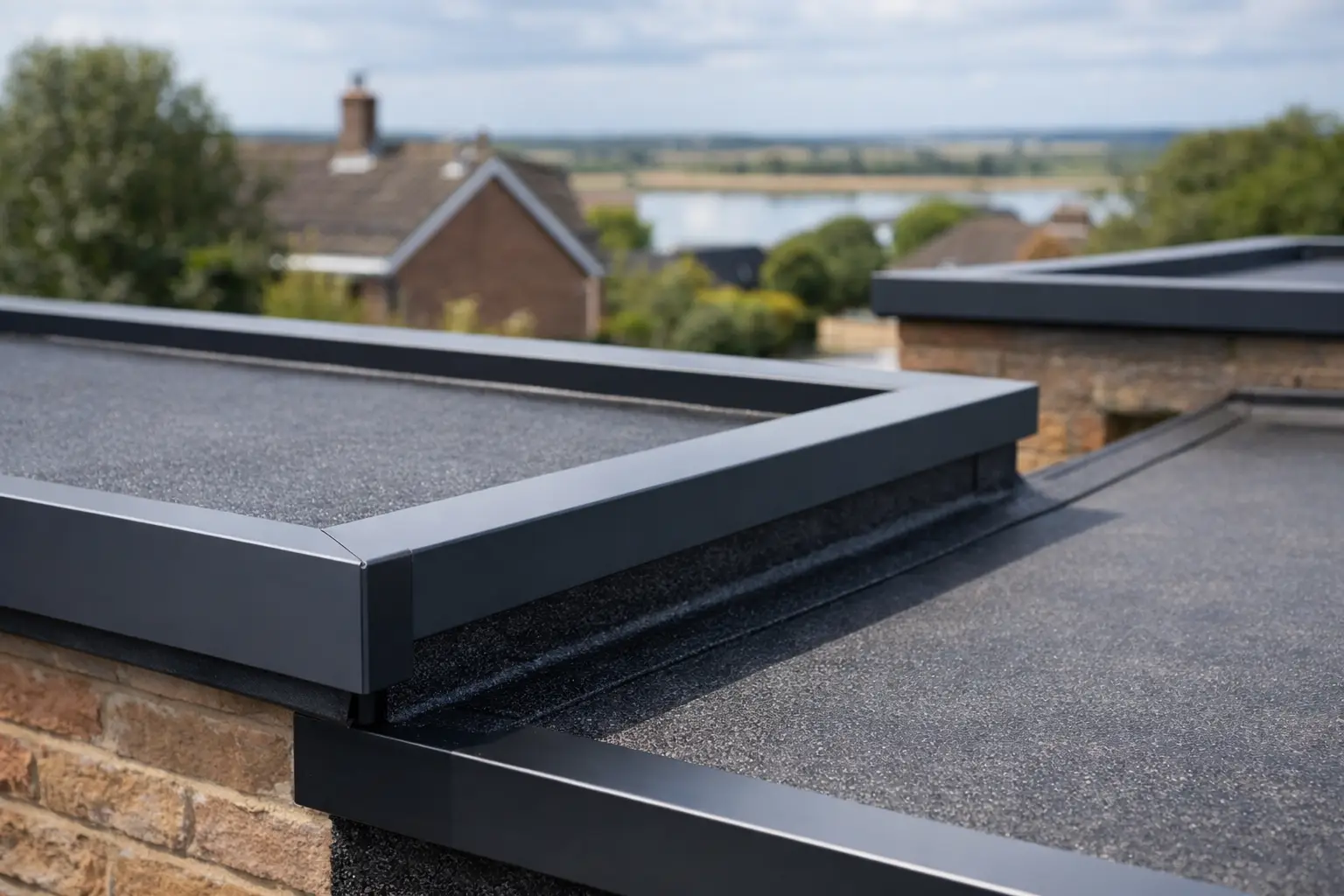
It is worth comparing specifications rather than comparing rolls by price alone. Look at membrane thickness, reinforcement, mineral finish, compatibility with the underlay, and the intended use of the roof. Trade-quality components, including suitable drip and verge trims where required, help create a neat and secure perimeter detail.
Common issues to check before buying
The most frequent mistake is ordering a cap sheet without confirming the rest of the system. A cap sheet may be excellent in its intended build-up but unsuitable as a direct replacement over a damp, unstable or incompatible existing surface. Check manufacturer guidance and assess the condition of the roof before deciding whether an overlay or a full strip-back is appropriate.
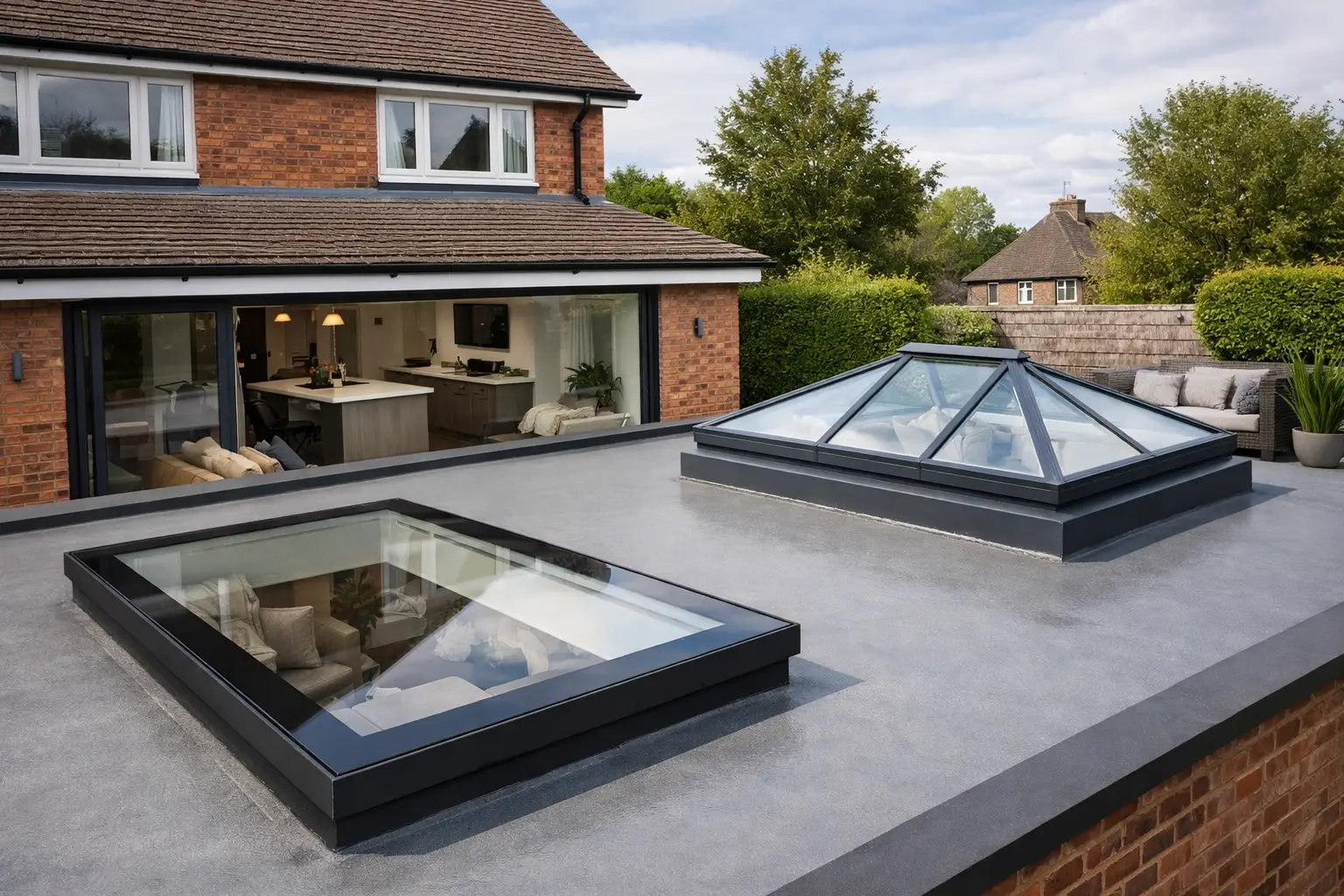
Measure carefully, allowing for overlaps, upstands and waste at corners. A roof’s plan area is not the same as the membrane area needed. Also check whether outlets, rooflights, abutments or service penetrations need additional detailing materials. These are not minor extras. They are often the places where a roof’s waterproofing is tested first.
For contractors and capable buyers sourcing materials, Quality Roofing Supplies Ltd can help make the buying process more straightforward by supplying specialist roofing products and accessories suited to real installation work. Having compatible components ready before work starts avoids delays once the roof is opened up.
The verdict on torch-on felt
Torch-on felt remains a practical, durable and widely trusted choice for flat roof work, but it earns that reputation only when the full system is specified properly and installed with care. It is not always the best option for every substrate, access arrangement or fire-risk situation, yet for many projects it provides the long-term, repairable weather protection buyers want.
Start with the roof’s condition, drainage and detail requirements, then choose the membrane system to match. That approach gives you a better chance of a roof that stays dry when the weather turns, rather than one that merely looks finished on installation day.
Share This Article
Follow Us
Latest Articles
August 8, 2026
August 6, 2026
August 4, 2026
