Choosing the Right Roofing Accessories Kit

A roofing job rarely goes wrong because of the main covering alone. More often, the problems start at the edges, joins, outlets and terminations – the places where the smaller components do the hard work. That is why choosing the right roofing accessories kit matters. It can save time on site, reduce ordering mistakes and help create a finish that performs properly from day one.
For trade buyers, that usually means fewer delays and less time chasing missing parts. For homeowners, it means less guesswork and more confidence that the system being installed has the right supporting pieces. A good kit is not just convenient. It helps bring the roof together as a working system, rather than a collection of separate products.
What a roofing accessories kit usually includes
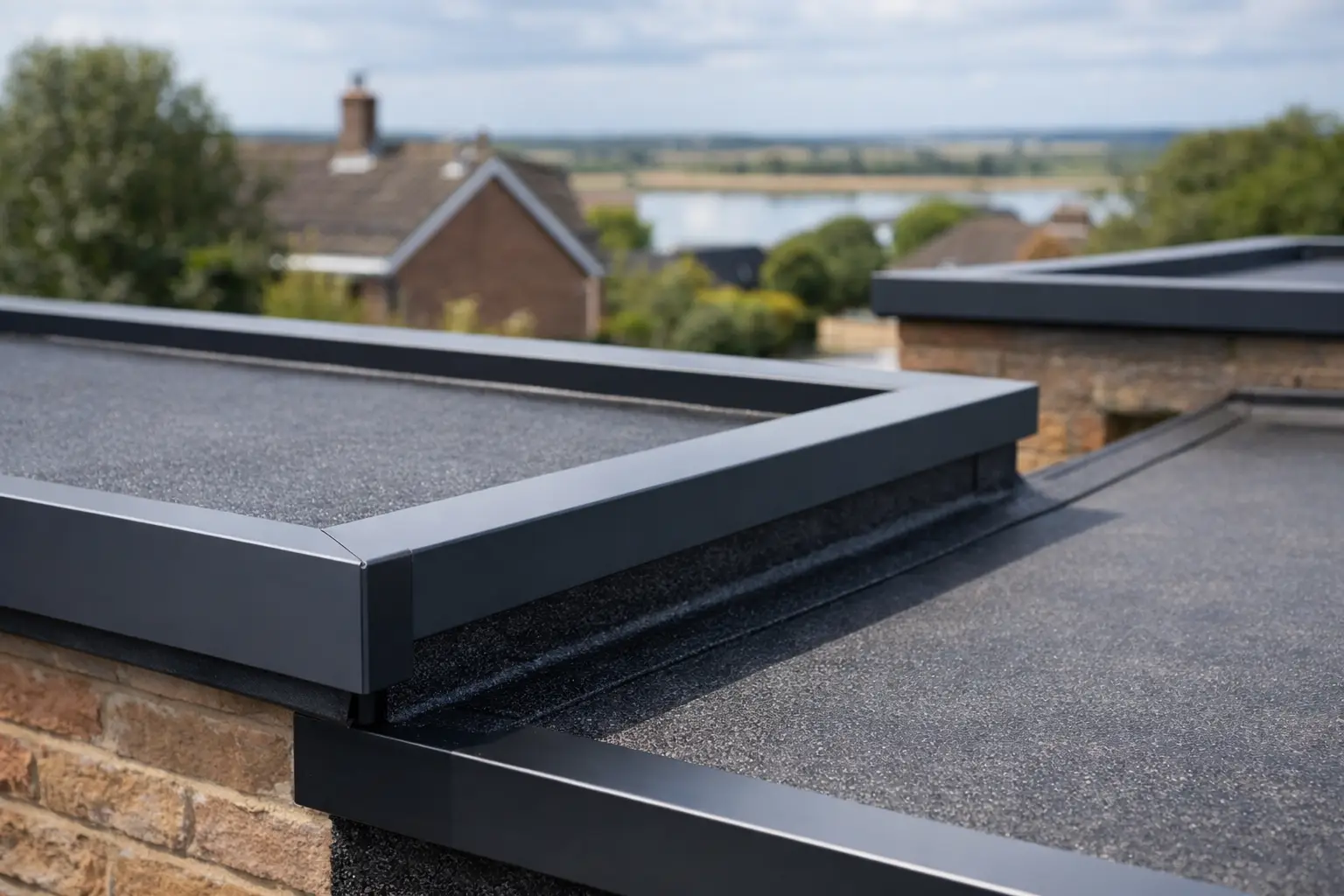
The exact contents depend on the roofing system, but most roofing accessories kit options are built around the finishing and fixing details that support installation. That may include trims, corners, joiners, outlets, drip edges, fixings or compatible sealing components. Some kits are designed to support flat roofing installations, while others are intended for roof edge detailing or specific product ranges.
The key point is that these accessories are not optional extras in the way some buyers assume. They are often the difference between a roof that looks complete and a roof that is properly protected against water ingress, wind uplift and premature wear. If the main covering is the visible layer, the accessories are what help it perform at the vulnerable points.
That is also why product compatibility matters so much. A kit that suits one build-up or trim profile may be wrong for another. Sizes, materials and fitting methods need to line up with the rest of the specification.
Why buying a kit can make more sense than sourcing parts separately
There are jobs where experienced installers prefer to choose every component individually, especially on more complex projects. That approach can work well when the specification is fixed and the installer already knows exactly what is required. But for many standard installations and repair works, buying a kit is simply more efficient.
A kit can reduce the risk of missing a critical part during ordering. That matters when delivery schedules are tight and the roof needs to be completed without interruption. It can also help avoid mismatched components, particularly where trims, corners and fixings need to work together.
There is a cost angle too, although it depends on the product range. Buying separately is not always more expensive, but it often creates more room for error. If one wrong component delays the job or forces a second order, the real cost rises quickly. In practice, the most economical option is usually the one that gets the right parts to site first time.
How to choose a roofing accessories kit for the job
The first thing to check is the roofing system itself. Is the job a new installation, an overlay, a repair or a replacement of edge details only? Accessories need to suit the system in use, not just the roof size. A flat roof detail kit for one membrane or trim arrangement may not suit another.
Next, look at the perimeter and drainage details. Roof edges, upstands, corners and outlets create different demands, and the right kit should reflect that. Some jobs need a stronger focus on edge finishing, while others depend more on reliable drainage components. If the layout includes multiple corners or unusual transitions, make sure the kit covers those details properly rather than assuming a basic set will do.
Material quality is another practical check. Roofing accessories are exposed to weather, temperature change and long-term movement. Thin, poorly finished components may seem acceptable out of the box, but they can create fitting issues and shorter service life. Trade buyers usually spot this quickly on site. Homeowners may not, which is why buying from a specialist supplier matters.
It is also worth checking whether the fixings and seals included are suitable for the intended substrate and exposure level. A kit may contain standard components that are fine for one application but not ideal for another. Coastal sites, exposed locations and high-traffic maintenance areas can all affect what is appropriate.
Compatibility matters more than convenience
Convenience is a benefit, but compatibility is the real reason to choose carefully. A roofing accessories kit should match the profile, dimensions and installation method of the surrounding products. If trims do not align correctly, if corners are not formed for the system, or if outlets are not suitable for the drainage plan, the fitting process becomes slower and the finish becomes less reliable.
This is where buyers sometimes get caught out by generic descriptions. Two products can appear similar while working quite differently in practice. Measurements need to be checked properly, and so does the intended use. A deeper trim, for example, is not automatically better if it does not suit the roof build-up. The same goes for outlets and corners. The right component is the one that matches the detail, not the one that seems closest.
For domestic customers, this is often the point where expert guidance saves time. If you are unsure whether a kit suits your planned installation, it is far better to clarify before ordering than to open boxes on the day and discover the parts are not quite right.
Trade and domestic buyers need slightly different things
Professional installers usually buy with speed and repeatability in mind. They want products that arrive quickly, fit as expected and help keep the job moving. For them, a roofing accessories kit is often about reducing friction – fewer separate line items, fewer chances to miss a part, and a cleaner handover at the end.
Homeowners tend to focus more on certainty. They want to know they are buying the correct components without having to become roofing experts themselves. That makes clear product information and practical support especially valuable. A dependable supplier should make it easier to understand what is needed and what works together.
The overlap between both groups is straightforward. Everyone wants durable products, sensible pricing and fast UK delivery. Nobody wants avoidable delays because one small component was overlooked.
Common mistakes when buying a roofing accessories kit
One common mistake is treating accessories as universal. In roofing, they rarely are. Profiles, lengths, corner types and outlets all need to suit the job in front of you. Another is focusing only on the visible finish and overlooking the fixing or drainage details that affect performance.
Buyers also sometimes order based on quantity alone, without mapping the roof layout properly. A simple rectangular roof may be straightforward, but once you add internal corners, external corners, parapet details or multiple outlets, the requirements change. Measuring the perimeter is necessary, but it is not the whole picture.
There is also a tendency to think the lowest upfront price is the safest route. Sometimes it is good value. Sometimes it means lower-grade components that take longer to fit or need replacing sooner. A better way to assess value is to consider fit, durability and the likelihood of the job being completed cleanly with what arrives.
When it makes sense to ask for advice
If the project includes unfamiliar materials, unusual edge details or a combination of products from different ranges, it is sensible to ask before you buy. The same applies if you are replacing older components and trying to match them with newer stock. Roofing details are rarely the place to guess.
This is particularly relevant for homeowners managing a repair or small refurbishment. A roofing accessories kit can make buying simpler, but only if it is the correct one. Getting a quick check on compatibility can prevent wasted spend and site frustration later.
At Quality Roofing Supplies Ltd, the focus is on trade-quality products with practical support behind them. That matters because most buyers do not need more choice for the sake of it. They need the right product, delivered promptly, with clear enough information to order confidently.
A good kit should make the job easier
The best roofing accessories kit is not necessarily the one with the longest contents list. It is the one that suits the roofing system, covers the important details and helps achieve a neat, durable result without unnecessary complications. For some jobs that means a straightforward standard kit. For others, it means checking the specification more closely and choosing around the exact layout.
If you approach accessories as part of the system rather than an afterthought, the buying decision becomes much simpler. Get the small parts right, and the whole roof has a better chance of performing exactly as it should.
Share This Article
Follow Us
Latest Articles
August 8, 2026
August 6, 2026

August 4, 2026
