Choosing a Roof Light for Flat Roofs
A dark extension can make even a well-finished room feel unfinished. The right roof light for flat roof projects changes that quickly – bringing in more daylight, improving the feel of the space, and helping the room work better day to day.
For trade installers, the challenge is usually about fit, reliability and keeping the job moving. For homeowners, it is often about choosing something that looks right without creating problems later. In both cases, the best result usually comes from getting the basics right at the start rather than chasing the cheapest unit or the largest pane of glass.
Why a roof light for flat roof spaces makes such a difference
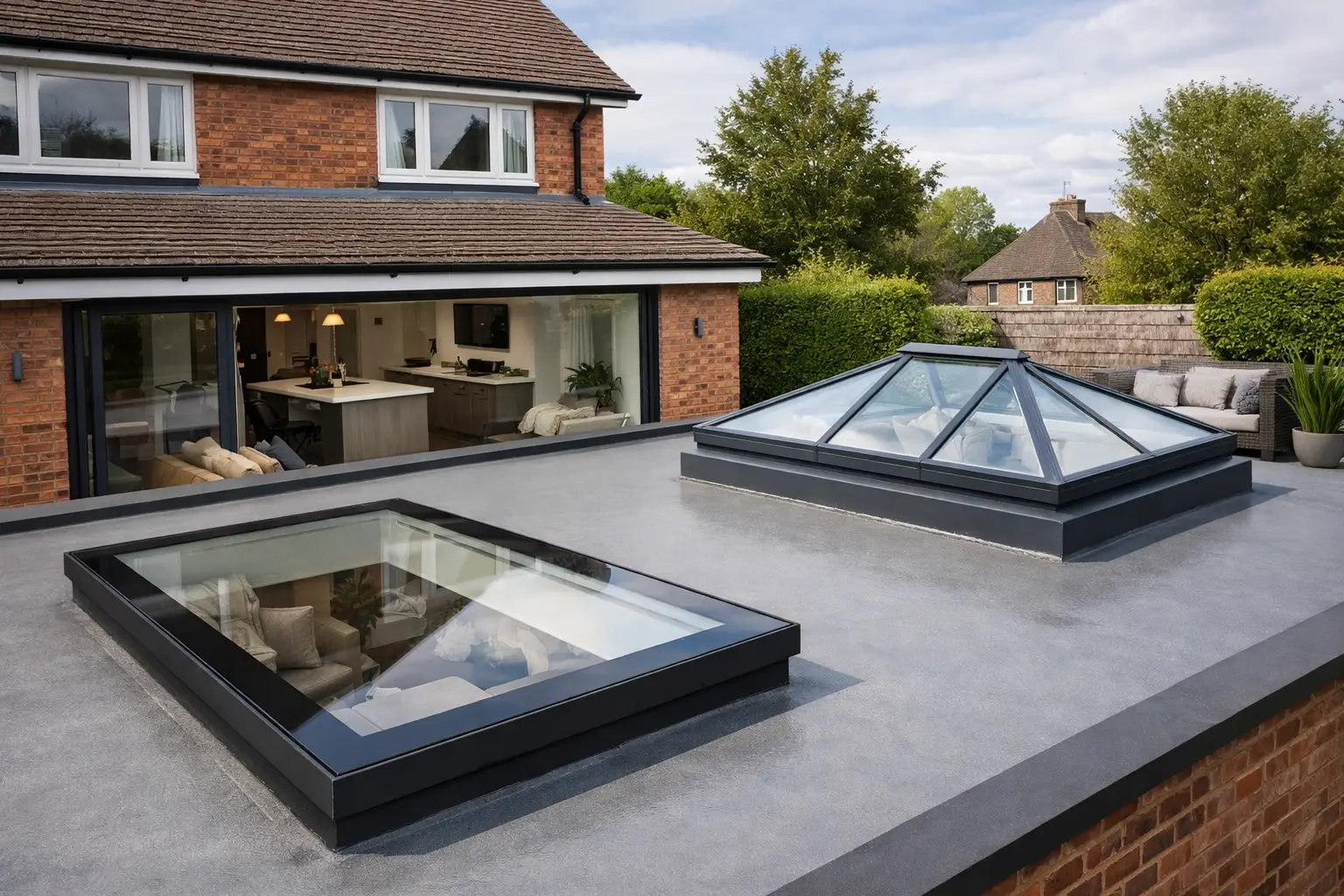
Flat roof areas often sit over kitchens, extensions, garden rooms, garages and commercial spaces where wall windows are limited. A roof light introduces overhead daylight, which tends to spread more evenly across the room. That can make compact spaces feel larger and give open-plan rooms a brighter, cleaner finish.
There is also a practical side. In many layouts, a roof light gives you light exactly where standard window placement cannot. If the room backs onto a boundary, faces another building or simply has poor natural light, adding glazing above can be the most effective solution.
That said, more glass is not automatically better. Oversizing a unit can increase solar gain in summer and create glare in the wrong location. A well-chosen roof light should suit the room, the roof build-up and the way the space is used.
What to consider before buying
The first thing to check is the roof construction and the opening size you can realistically work with. On a new build, this is usually easier to plan. On a refurbishment, existing joists, insulation depth, upstand condition and roof covering all affect what can be installed safely and efficiently.
Kerb detail matters as well. Some roof lights are designed to fit onto an existing builder’s upstand, while others are supplied as a complete unit with their own kerb. If the wrong option is chosen, installation becomes slower and weathering details become more awkward than they need to be.
Glazing specification is another key point. Double glazed units are common for domestic use, but not all units perform the same way. You may need to think about thermal efficiency, solar control, privacy or safety glazing depending on the location. A kitchen extension with strong sun exposure has different demands from a utility room or stairwell.
Ventilation should not be treated as an afterthought. Some flat roof spaces benefit from an opening roof light, especially where warm air tends to build up. In other cases, a fixed unit is simpler, more cost-effective and less likely to be used incorrectly once installed. It depends on the room and what the customer wants from it.
Fixed or opening roof light for flat roof installations
A fixed roof light is often the straightforward choice where the priority is daylight and appearance. Fewer moving parts generally mean a simpler installation and lower overall cost. For many domestic extensions, that is enough.
An opening unit makes more sense where ventilation is part of the brief. Kitchens, bathrooms and rooms with high summer heat gain are the obvious examples. Manual opening can be suitable for lower-level access, while electric opening is often preferred for convenience or where the unit is positioned higher up.
There is a trade-off here. Opening roof lights add function, but they also add complexity, cost and components that need to be specified correctly. If ventilation is required only occasionally, it is worth considering whether other ventilation measures are already doing the job.
Sizing and placement
The size of the roof light should be led by the room rather than the assumption that bigger always looks better. A modestly sized unit in the correct position can light a room more effectively than a large unit pushed into the wrong part of the roof.
Placement affects both light quality and usability. Central positioning often gives the most balanced result, but that is not a rule. In some extensions, shifting the roof light over the main working area or seating zone creates a better everyday effect. In others, structural constraints will guide the decision.
For installers, the practical question is whether the opening works cleanly with the roof structure and covering. Trimming around joists, preparing the upstand and maintaining proper falls for drainage all need to be considered before the product is ordered. A roof light should never compromise how the roof sheds water.
Glazing, performance and comfort
When customers compare options, they often focus first on appearance. Frameless internal views and clean external lines are popular for obvious reasons. But long-term satisfaction usually comes down to performance.
Thermal efficiency helps reduce heat loss during colder months, especially in heated extensions used every day. Solar control glass can be useful where a south-facing roof receives sustained direct sunlight. Laminated inner panes may be appropriate for safety and peace of mind in occupied spaces below.
Condensation is another issue worth discussing early. No glazing system is completely immune in the wrong conditions, particularly if the room has poor ventilation or high moisture levels. Good product choice helps, but room use, heating patterns and airflow matter too. Setting realistic expectations avoids disappointment later.
Installation details that matter
A good roof light can still underperform if it is installed badly. The weathering detail around the unit is just as important as the product itself. Correct upstand height, secure fixing, compatible sealing methods and proper integration with the waterproofing layer all play a part in keeping the roof sound.
Flat roofs also need fall for drainage, and the roof light detail must respect that. Water should move cleanly away from the unit without pooling around the upstand. On refurbishment jobs, this is one of the most common areas where shortcuts create future leaks.
It is also worth checking lead times and product compatibility before work starts. Delays often happen when a roof opening is prepared for one style of unit and a different specification turns up later. For both trade buyers and domestic customers, clear measurements and product-first planning save time and avoid rework.
Style choices without overcomplicating the job
Most buyers want a roof light that looks neat and modern, but style should not get in the way of suitability. A contemporary glass unit can work very well on a flat roof, provided the roof build-up and fixing method are right for it.
The aim should be a product that complements the property while remaining practical to install and maintain. Slim profiles, clean sightlines and quality glazing all help, but so does choosing a specification that fits the job without unnecessary extras.
For trade customers, dependable stock availability and straightforward fitting often matter just as much as aesthetics. For homeowners, confidence in the choice usually comes from simple guidance and knowing the product is designed for real roofing use, not just showroom appeal.
Common buying mistakes to avoid
One of the most common mistakes is choosing on price alone. A lower-cost roof light may look similar at first glance, but differences in glazing quality, frame construction and installation requirements can show up quickly once the unit is on site.
Another issue is assuming all flat roof roof lights fit the same way. Dimensions, kerb requirements and fixing details vary between products. Measuring the daylight opening without checking the full specification is a reliable way to order the wrong size.
Buyers also sometimes overlook how the room will behave through the year. A glazed opening that feels ideal in winter can create overheating in summer if orientation and solar gain were never considered. The right choice is rarely the most expensive or the cheapest – it is the one that suits the building and the brief.
Getting the right result first time
Whether you are ordering for a single domestic extension or a repeat trade job, the best approach is a practical one. Start with the roof construction, confirm the opening requirements, decide whether ventilation is needed, and then match the glazing and style to the space.
That is where specialist supply makes a real difference. A dependable supplier such as Quality Roofing Supplies Ltd helps remove uncertainty by offering trade-quality products backed by clear, useful guidance rather than unnecessary jargon. For busy installers and homeowners alike, that keeps the process simpler.
A roof light should do more than brighten a room on day one. If it is well chosen and properly fitted, it will keep doing its job for years without fuss – and that is usually the standard worth buying to.
Share This Article
Follow Us
Latest Articles
August 8, 2026
August 6, 2026
August 4, 2026
