Torch On Felt Explained for Flat Roofs

If you are comparing flat roofing systems, torch on felt is usually on the shortlist for one simple reason – it has a long track record. For trade installers, it is a familiar system that can be laid efficiently with the right preparation. For homeowners, it offers a dependable, hard-wearing finish when the correct materials are used and the installation is carried out properly.
That reliability is exactly why torch on felt remains a popular choice across garages, extensions, sheds, dormers and other flat roof areas. It is not the only option on the market, and it will not suit every job, but it continues to be specified because it balances cost, durability and proven performance in a way that many customers understand and trust.
What is torch on felt?
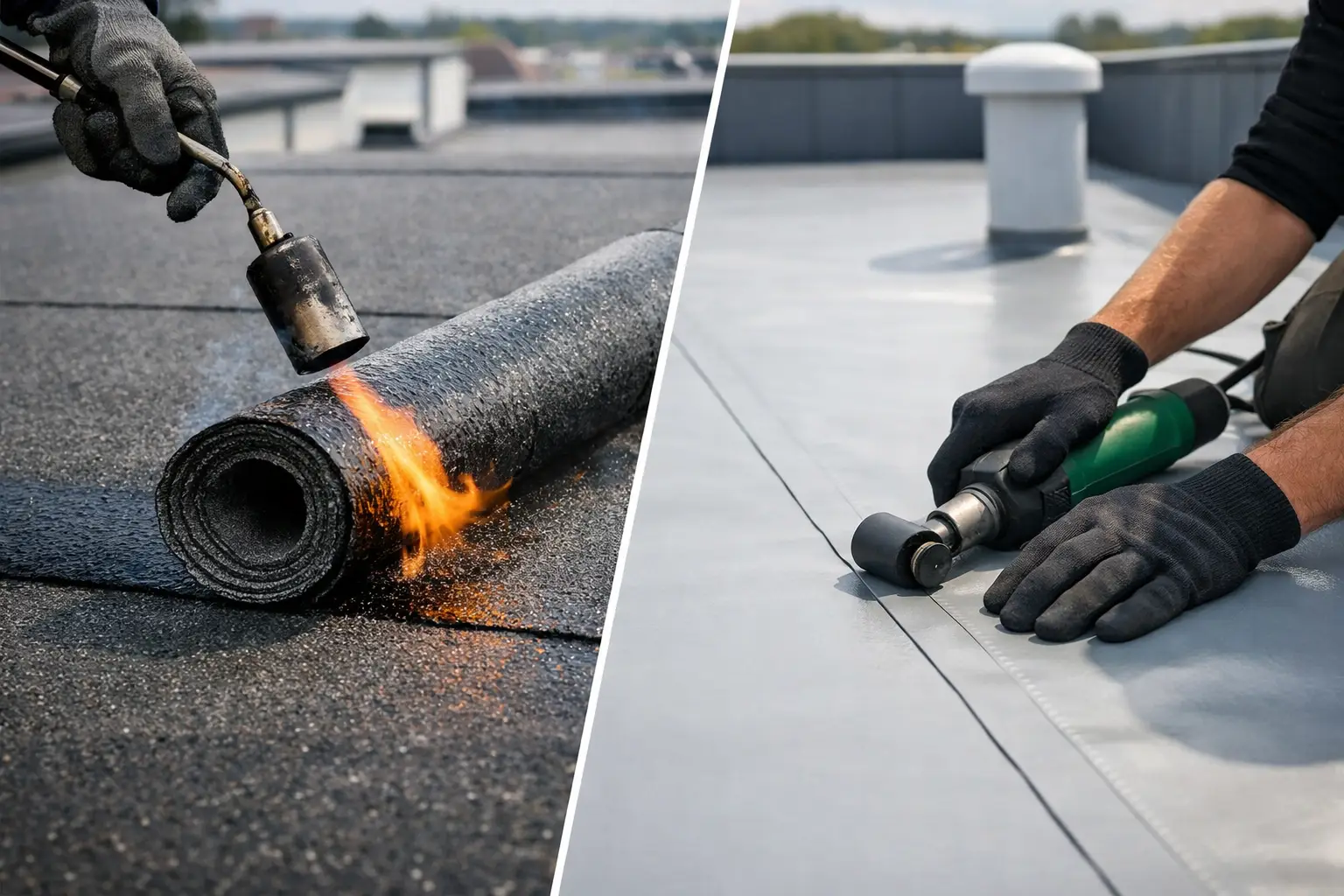
Torch on felt is a bitumen-based roofing membrane that is applied using heat. During installation, the underside of the membrane is heated with a gas torch so it bonds to the prepared surface below. The result is a sealed, weatherproof layer designed for flat or low-pitch roofing applications.
In most cases, this is not a one-layer job. A proper torch-on system is usually built up in layers, often including an underlay and a top sheet. The top sheet is typically finished with mineral protection, which helps defend the roof surface against weathering and UV exposure.
That layered build-up is part of the reason the system performs well over time. A roof is only as good as the materials used and the standard of installation, so it is worth looking beyond the headline price and considering the full specification.
Why torch on felt is still widely used
Some roofing products come and go. Torch on felt has stayed in regular use because it solves a very practical problem: creating a durable, waterproof covering for flat roofs without making the system overly complicated.
For installers, it is a known product with known behaviour. That matters on site. When a system is familiar, it can be installed more consistently, provided the deck, insulation, ventilation and detailing are all handled correctly. For property owners, that translates into confidence that the roof finish is not experimental or untested.
It also suits a wide range of domestic and commercial repair or replacement work. If an existing roof has reached the end of its service life, torch-on felt is often considered because the materials are readily available, compatible accessories are easy to source, and the finished roof can offer strong resistance to day-to-day weather conditions.
Where torch on felt works best
Torch on felt is commonly used on flat roofs and low-pitch roofs where a durable waterproof membrane is required. It is often chosen for garages, home extensions, porches, garden buildings and similar structures where a reliable, proven finish is the priority.
It can be a particularly sensible choice where the roof shape is fairly straightforward and the detailing is manageable. On roofs with numerous penetrations, awkward upstands or complex transitions, the system can still work well, but the detailing becomes more critical. That is where product selection and installation quality matter even more.
Exposure also plays a part. In harsher locations, the roof system needs to cope with wind, rain and temperature changes over time. A correctly specified felt system can do that well, but not all products are equal. Trade-quality membranes and compatible accessories make a real difference to long-term performance.
How a torch-on felt system is built
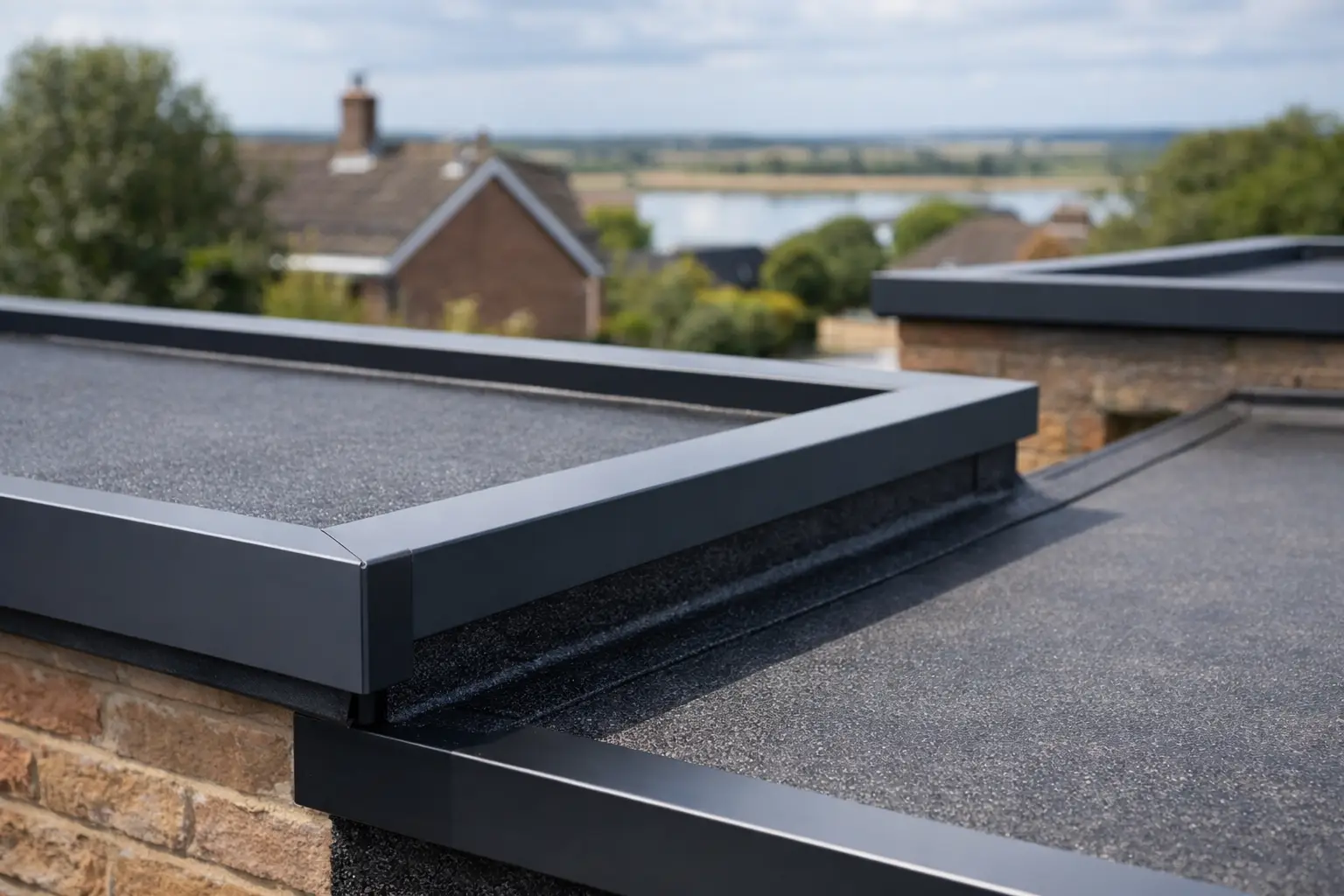
A torch-on felt roof is generally more than just a single roll applied to a surface. The deck or substrate needs to be sound, clean and suitable for the system being installed. From there, the build-up may include a vapour control layer, insulation, an underlay and a mineral-finished cap sheet, depending on the roof design.
The underlay helps form the base waterproofing layer, while the top sheet provides the final weathering surface. Joints need to be sealed correctly, and the membrane must be dressed neatly into edges, outlets, kerbs and upstands. Poor edge detailing is one of the quickest ways to undermine an otherwise decent roof.
This is one reason buyers should think in terms of a full roofing system rather than a single product. The membrane, trims, adhesives where relevant, outlets and finishing components all need to work together. Buying compatible materials from a specialist supplier reduces the risk of problems later.
The main benefits of torch on felt
The biggest advantage of torch on felt is that it is proven. It has been used across the UK for many years and remains a dependable option when installed by someone who knows the system. That kind of track record matters when you are spending money on a roof that needs to hold up in all seasons.
It is also valued for its durability. A good-quality felt system can provide strong resistance to rain, standing water and general wear, especially on roofs that are not subject to heavy foot traffic. Mineral-finished top sheets add further protection at the exposed surface.
Another benefit is flexibility in specification. Different grades of membrane are available, which allows the system to be matched more closely to the job and the budget. That does not mean cutting corners is wise, but it does mean there is scope to select products based on the demands of the roof rather than applying a one-size-fits-all approach.
The trade-offs to consider
Torch on felt is not the right answer for every roof. The first and most obvious point is installation. Because it is heat-applied, it should only be installed by someone competent to work with a torch-on system. Safety on site is a serious consideration, especially on refurbishment projects or where surrounding materials may be vulnerable to heat.
There is also the question of appearance. While felt roofing is neat and professional when finished properly, some customers prefer the look or detailing style of other flat roofing systems. That is largely a matter of project type and personal preference.
It is also fair to say that the cheapest felt products on the market are not always the best value. A low upfront price can be attractive, but if the membrane grade is poor or the system is incomplete, the long-term result may be disappointing. In roofing, repeat work caused by early failure is rarely a saving.
What to check before buying torch on felt
If you are purchasing torch on felt, start with the roof type and size. The deck construction, insulation plan and edge details all affect what materials are needed. Ordering only the felt rolls without considering trims, outlets or other accessories can slow the job down and create avoidable compatibility issues.
It is also worth checking whether you need an underlay and top sheet system, or a different build-up based on the project specification. Trade professionals will usually work from experience or project requirements, but homeowners and occasional buyers often benefit from asking for guidance before ordering.
Product quality should be part of the decision, not an afterthought. A specialist supplier such as Quality Roofing Supplies Ltd can help customers source trade-standard materials that are intended for real installation use, rather than making do with whatever appears cheapest at first glance.
Finally, think about lead time. Roofing work is often weather-sensitive, so having the correct materials delivered promptly can make a real difference. Fast UK delivery and clear product information are not extras – they are part of keeping a job moving.
Torch on felt for trade and domestic buyers
For trade buyers, torch on felt is often about consistency. You want a system you know, materials that arrive as expected, and components that work together without wasted time on site. When those basics are in place, the job is easier to price, easier to plan and easier to complete to a good standard.
For domestic buyers, the priority is usually reassurance. You may only be replacing one roof, so the main concern is choosing materials that are suitable and durable without getting lost in jargon. Clear advice matters here. A good supplier should make the process straightforward, not harder than it needs to be.
That shared need for reliability is what keeps felt systems relevant. Whether you are ordering for a contractor team or a home improvement project, the basics remain the same: choose the right specification, use compatible components and do not overlook installation quality.
Is torch on felt the right choice?
The honest answer is that it depends on the roof, the budget and who is carrying out the work. If you want a flat roofing system with a strong track record, broad availability and dependable performance, torch on felt is still a solid option. If the project calls for a different application method or a different finish, another system may be a better fit.
The key is not chasing the cheapest roll or the fastest decision. It is making sure the roof build-up makes sense for the job in front of you. When the specification is right from the start, the materials are far more likely to deliver the service life and performance you expect.
A roof does not need to be complicated to be dependable. It just needs the right system, the right components and the confidence that you are buying materials built for the job.
Share This Article
Follow Us
Latest Articles
August 8, 2026
August 6, 2026
August 4, 2026
